






What's Happening?
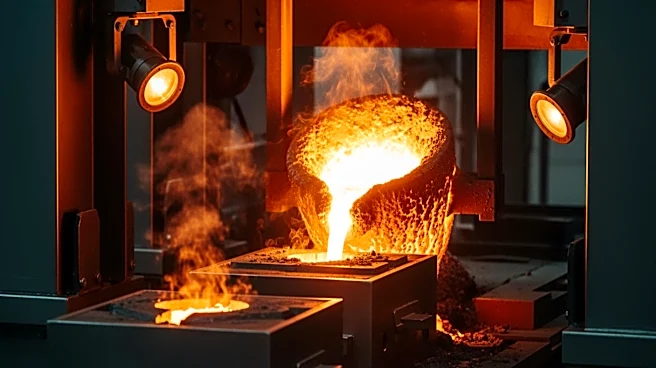
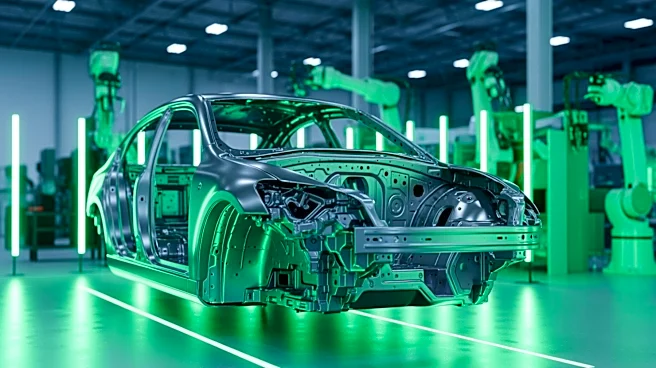
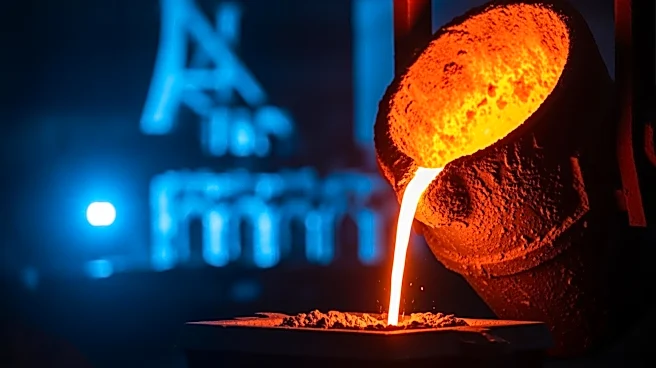
A Swedish environment court has granted state-owned mining group LKAB permission to construct a fossil-free sponge iron plant at its Malmberget site in Gallivare. This development is part of the 'green steel' initiative known as Hybrit, a collaboration
between LKAB, steelmaker SSAB, and state-owned utility Vattenfall. The project aims to replace traditional coking coal with hydrogen and electricity in steel production. The court's decision allows the project to proceed under conditions that limit environmental impact. The Hybrit demonstration plant is expected to produce up to 1.5 million tons of fossil-free iron sponge annually, although an investment decision is still pending. This initiative is part of a broader effort to transition to hydrogen-based direct reduced iron systems and electric arc furnaces, which require significant investment and access to renewable energy.
Why It's Important?
The approval of LKAB's fossil-free sponge iron plant is a significant step in the transition towards sustainable steel production. This initiative could reduce the carbon footprint of the steel industry, which is traditionally reliant on coal. By utilizing hydrogen and renewable electricity, the project aligns with global efforts to combat climate change. The success of this venture could set a precedent for similar projects worldwide, potentially influencing the steel industry's approach to sustainability. However, the high costs associated with hydrogen production and infrastructure pose challenges. If successful, this project could enhance LKAB's competitiveness and contribute to Sweden's position as a leader in green technology.
What's Next?
The next steps for the Hybrit project include securing investment for the demonstration plant and addressing any appeals against the court's decision. The project's progress will be closely monitored by stakeholders in the steel industry and environmental groups. If the plant becomes operational, it could lead to further developments in green steel technology and encourage other countries to adopt similar approaches. The project's success could also influence policy decisions related to renewable energy and industrial emissions, potentially leading to increased support for green infrastructure initiatives.