





What's Happening?
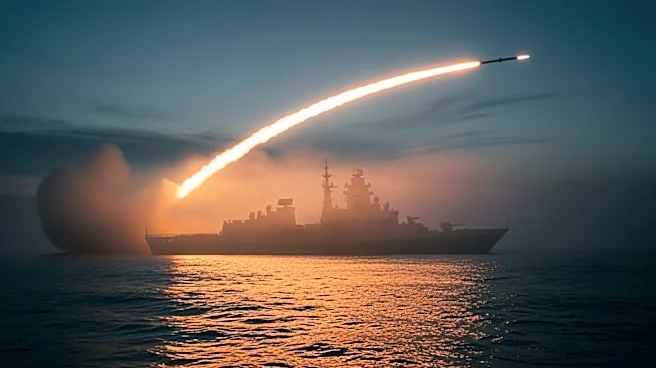
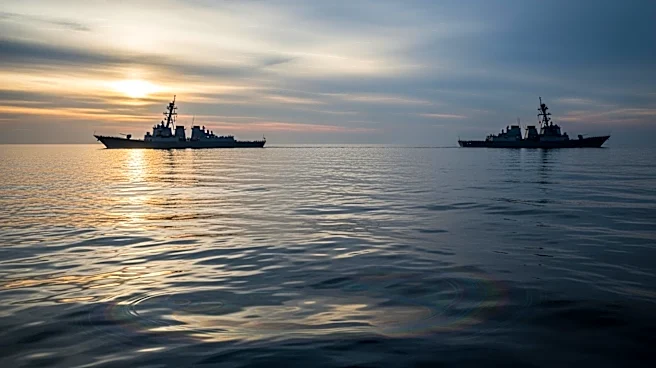
The U.S. Central Command (CENTCOM) announced that its forces intercepted Iranian attacks and responded with self-defense strikes as U.S. warships transited the Strait of Hormuz. The incident involved Iranian forces launching missiles, drones, and small
boats at U.S. destroyers USS Truxtun, USS Rafael Peralta, and USS Mason. CENTCOM stated that no U.S. assets were hit and that they targeted Iranian military facilities responsible for the attacks. The U.S. maintains it does not seek escalation but is prepared to protect its forces. Iran confirmed launching attacks, claiming significant damage to U.S. vessels, highlighting ongoing tensions despite a ceasefire brokered by Pakistan.
Why It's Important?
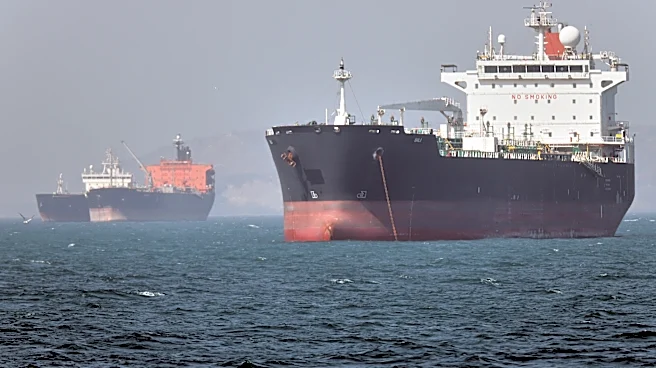
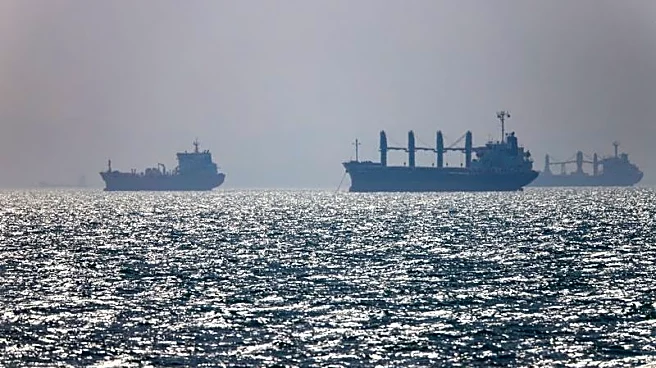
This development underscores the fragile nature of U.S.-Iran relations and the strategic importance of the Strait of Hormuz, a critical passage for global oil and LNG shipments. The incident could impact international shipping and energy markets, potentially leading to increased oil prices and heightened geopolitical tensions. The U.S. military's readiness to respond to threats may reassure allies but also risks further escalation with Iran. The situation highlights the ongoing challenges in achieving lasting peace and stability in the region, affecting global economic and security interests.
What's Next?
The continuation of the U.S.-Iran ceasefire remains uncertain, with both sides showing readiness for further conflict. The U.S. may increase its military presence in the region to deter future attacks, while diplomatic efforts could be intensified to de-escalate tensions. The international community, particularly countries reliant on Middle Eastern oil, will likely monitor the situation closely, potentially advocating for renewed negotiations to prevent further disruptions in the Strait of Hormuz.