



What's Happening?
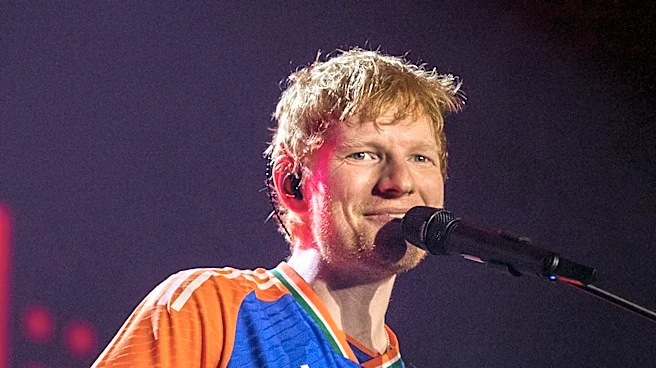
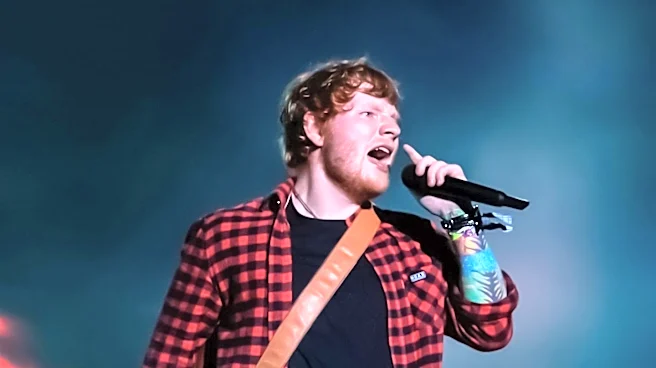
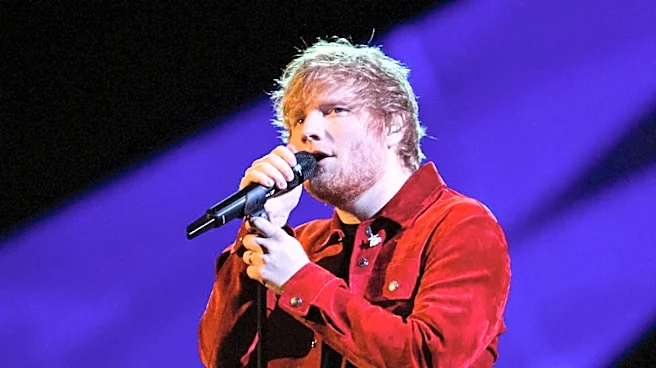
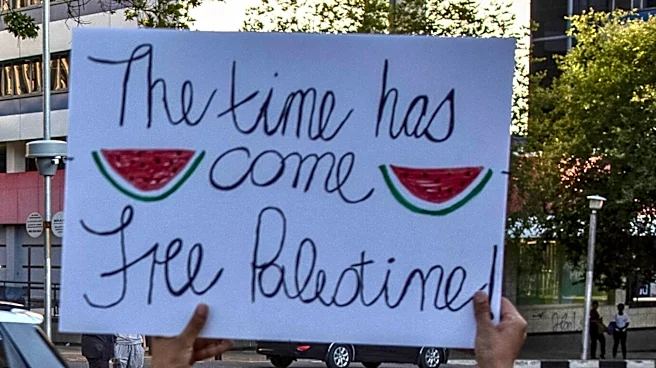
During his opening act for Ed Sheeran at MetLife Stadium in New Jersey, rapper Macklemore vocalized 'Free Palestine' and delivered a speech emphasizing that people in Gaza and the occupied West Bank are not forgotten. He asserted that all human beings
deserve the same freedom, repeating these remarks during both Friday and Saturday night performances. Macklemore also criticized U.S. Immigration and Customs Enforcement. In 2024, he released the song 'Hind’s Hall,' which critiques Israel's actions in Gaza, directing all proceeds to humanitarian efforts by the UNRWA. His politically charged set prompted a petition from the Israeli American Council, demanding his removal from the remaining dates of the Loop tour. The petition argues that a concert is not an appropriate platform for a 'one-sided political agenda,' while some concertgoers expressed discomfort, accusing Macklemore of antisemitism. Conversely, others praised his use of music as a platform for human rights advocacy.
Why It's Important?
Macklemore's actions highlight the increasing intersection of celebrity platforms and geopolitical issues, particularly the Israeli-Palestinian conflict, within the U.S. entertainment landscape. This event underscores the challenges faced by artists who choose to use their stage for political statements, often leading to polarized reactions from their audience and organized groups. The petition from the Israeli American Council reflects a broader societal debate about the appropriate boundaries for political expression in non-political venues and the potential for such expressions to be perceived as divisive or antisemitic. For the music industry, it raises questions about artist contracts, tour management, and how promoters and headliners navigate the political stances of their supporting acts. The controversy also demonstrates the power of social media in amplifying both support and opposition to such statements, influencing public opinion and potentially impacting an artist's career and tour viability.
What's Next?
The immediate next step will likely involve the Israeli American Council continuing to gather signatures for their petition and potentially escalating their demands to Ed Sheeran's management or tour organizers. The tour organizers and Ed Sheeran himself will need to decide how to respond to the petition and the public outcry, which could range from ignoring the demands to issuing a statement, or even, in an extreme scenario, removing Macklemore from the tour. Macklemore may continue to use his platform to advocate for his views, potentially releasing further statements or music related to the conflict. Social media will remain a key battleground for public discourse, with both supporters and detractors of Macklemore's stance continuing to voice their opinions. This situation could also influence other artists to either be more cautious or more emboldened in expressing political views during their performances, depending on the outcome and public reception.
Beyond the Headlines
This incident delves into the complex interplay between artistic freedom, political activism, and commercial interests in the U.S. It raises fundamental questions about the role of artists in society: are they merely entertainers, or do they have a responsibility to address social and political issues? The strong reactions, including accusations of antisemitism and calls for censorship, highlight the deep divisions within American society regarding the Israeli-Palestinian conflict and the sensitivity surrounding discussions of human rights. Ethically, it forces a consideration of whether an artist's personal political views should be separated from their professional performance, especially when those views are controversial. Legally, it touches upon freedom of speech, though private entities like tour organizers have the right to set terms for performers. Culturally, it reflects a growing trend where consumers expect brands and public figures to take stances on social issues, yet simultaneously desire entertainment to be an escape from political contention, creating a challenging environment for public figures.