


What's Happening?
The United States Copyright Office, a division of the Library of Congress, has commenced its tenth triennial rulemaking proceeding under the Digital Millennium Copyright Act (DMCA). This process aims to determine whether to recommend temporary exemptions
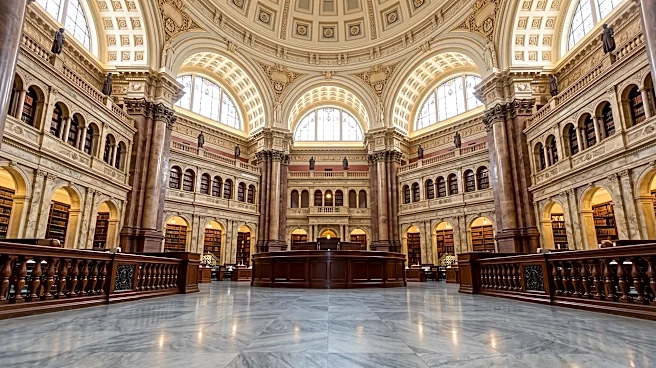
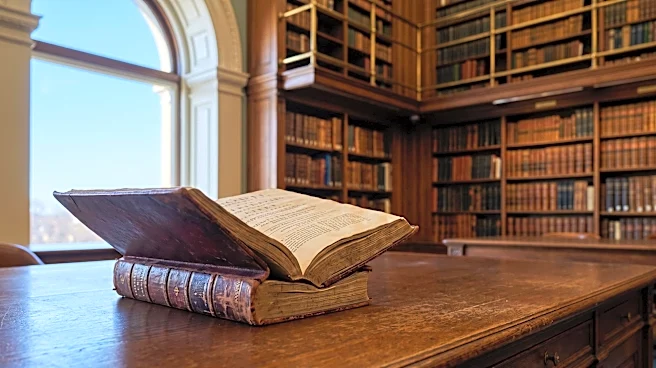
to the DMCA's prohibition against circumventing technological measures that control access to copyrighted works. The Office is actively accepting petitions from the public for consideration in this proceeding. Concurrently, the U.S. Copyright Office has concluded its initial periodic review of the existing designations for the mechanical licensing collective and the digital licensee coordinator. Following this review, the Office has decided to continue both designations. Additionally, the Office is proposing amendments to its regulations concerning the group registration option for news websites, with the goal of clarifying which works are eligible for this option. The Library of Congress itself is the national library of the United States, established by an act on April 24, 1800, and is directed by the Librarian, offering extensive collections for research.
Why It's Important?
This initiative by the U.S. Copyright Office holds significant implications for various stakeholders, including creators, technology companies, and consumers. The DMCA's anti-circumvention provisions have been a point of contention, with some arguing they stifle innovation and legitimate uses of copyrighted material, while others contend they are crucial for protecting intellectual property. The potential for new temporary exemptions could impact how users interact with digital content, potentially allowing for repairs, research, or accessibility modifications that are currently prohibited. The continuation of the mechanical licensing collective and digital licensee coordinator designations provides stability for the music industry, ensuring a consistent framework for royalty collection and distribution for digital music services. Furthermore, clarifying the group registration option for news websites could streamline copyright protection for online journalistic content, benefiting news organizations by simplifying the registration process and potentially strengthening their ability to combat unauthorized use of their work. These actions collectively shape the landscape of digital rights and access in the U.S.
What's Next?
The U.S. Copyright Office will proceed with the tenth triennial rulemaking under the DMCA, which involves reviewing submitted petitions and conducting public hearings to gather input on proposed exemptions. Stakeholders, including consumer groups, technology firms, and content creators, are expected to actively participate in this process, advocating for their respective interests. Following the public comment period and hearings, the Register of Copyrights will make recommendations to the Librarian of Congress, who will then issue a final determination on the temporary exemptions. For the proposed amendments to the regulation governing group registration for news websites, the Office will likely publish a Notice of Proposed Rulemaking, inviting public comments before finalizing any changes. The continued designations of the mechanical licensing collective and digital licensee coordinator mean these entities will maintain their roles in the music licensing ecosystem, with future periodic reviews anticipated to ensure their ongoing effectiveness and compliance with statutory requirements.
Beyond the Headlines
The ongoing debate surrounding DMCA exemptions highlights a fundamental tension between copyright protection and the public's right to access and use digital information. Each triennial review offers a snapshot of evolving technological capabilities and societal needs, forcing a re-evaluation of how intellectual property laws apply in a rapidly changing digital environment. The decisions made in this rulemaking process could set precedents for future interpretations of copyright law, influencing everything from the repairability of consumer electronics to the development of new educational tools. Moreover, the Copyright Office's efforts to refine registration processes, such as for news websites, reflect a broader trend towards adapting traditional copyright frameworks to the realities of digital content creation and distribution. These administrative actions, while seemingly technical, contribute to the larger cultural and economic discourse on information ownership, innovation, and public access in the digital age, shaping the balance of power between content owners and users.