




What's Happening?
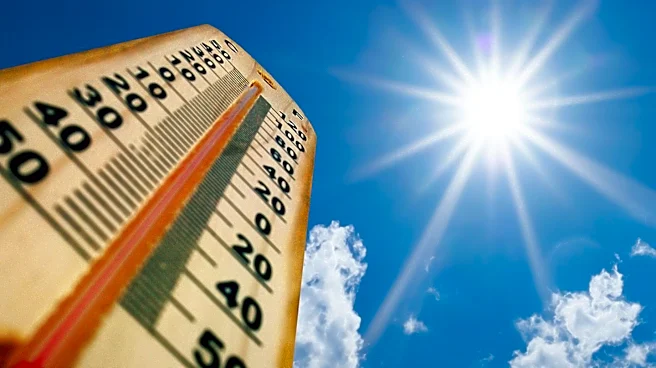
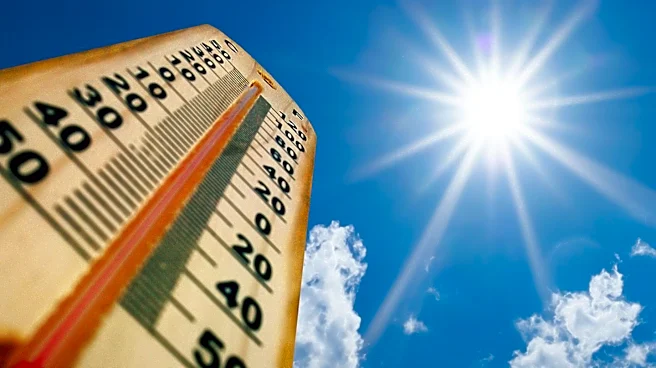
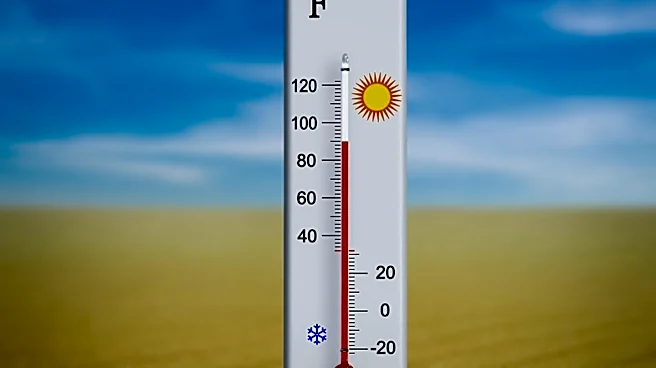
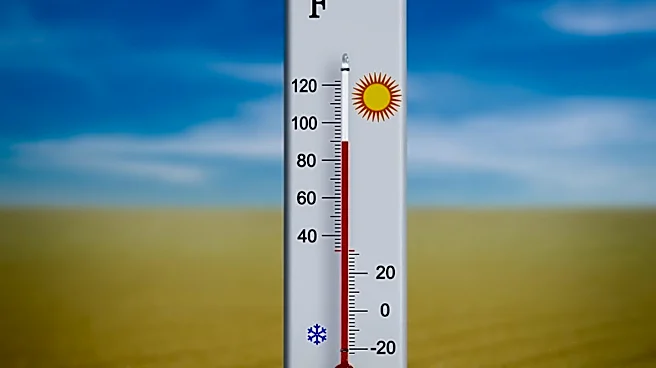
Western Europe is experiencing unprecedented heat waves, with the U.K. and France preparing for their fifth heat wave of the season. National weather agencies have issued warnings as temperatures are expected to soar, with France anticipating highs of 40°C
(104°F) and the U.K. issuing an amber heat health alert. This extreme weather has been ongoing since May, contributing to wildfires, droughts, and new national temperature records. The situation is exacerbated by human-caused global warming and a significant El Niño event, which is expected to make 2026 one of the hottest years on record.
Why It's Important?
The record-breaking heat waves in Western Europe underscore the urgent need to address climate change. The extreme temperatures are not only causing immediate health risks and environmental damage but also highlighting the long-term impacts of global warming. The situation in Europe serves as a warning for other regions, including the U.S., about the potential consequences of climate inaction. The increased frequency and intensity of heat waves could lead to more severe weather events, affecting agriculture, water resources, and public health systems globally.
What's Next?
As Western Europe braces for continued heat waves, governments and organizations are likely to implement more stringent climate policies and emergency response measures. The situation may prompt international discussions on climate action, with a focus on reducing carbon emissions and enhancing resilience to extreme weather. Public awareness campaigns and infrastructure investments could become priorities to mitigate the impacts of future heat waves. The ongoing situation may also influence upcoming climate negotiations and policy decisions at both national and international levels.