




What's Happening?
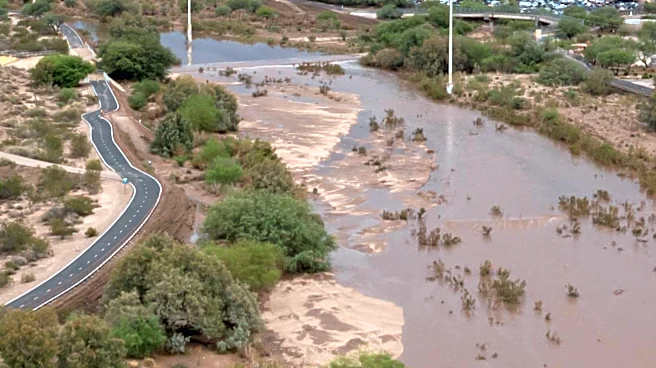
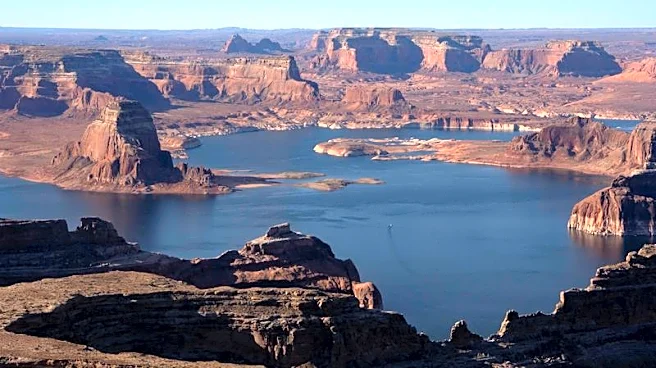
The U.S. Bureau of Reclamation has proposed a plan to address water shortages on the Colorado River, which includes significant cuts to water allocations for Lower Basin states such as Arizona. The plan, outlined in the Post-2026 Operational Guidelines
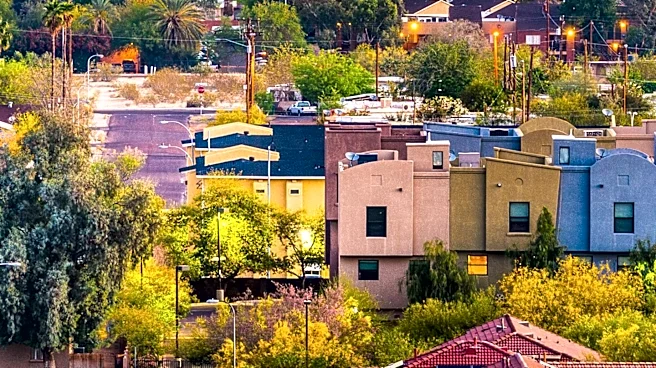
and Strategies for Lake Powell and Lake Mead, suggests a framework for managing river operations post-2026. Phoenix, which relies on the Colorado River for about 40% of its drinking water, is prepared for these cuts but expresses concern over the disproportionate impact on Arizona compared to Upper Basin states. Mayor Kate Gallego emphasized the need for a fair, basin-wide solution, highlighting Phoenix's ongoing conservation efforts and preparedness through investments in water storage and infrastructure.
Why It's Important?
The proposed cuts to Colorado River water allocations are significant for Arizona, particularly for cities like Phoenix that depend heavily on this water source. The plan could lead to increased reliance on stored water reserves and necessitate further investments in alternative water supplies and infrastructure. This situation underscores the broader challenges of water management in the arid Southwest, where climate change and prolonged droughts exacerbate water scarcity. The outcome of these federal guidelines will have substantial implications for water policy, economic stability, and the sustainability of urban growth in the region.
What's Next?
Phoenix is poised to manage the potential impacts of reduced water supplies by drawing on its stored reserves and enhancing conservation efforts. The city may need to implement additional measures, such as expanding conservation programs and investing in new water resources. The federal guidelines are still being refined, and Phoenix officials are closely monitoring the situation to assess the specific impacts on the city's water supply. The city remains in Stage 1 of its Drought Management Plan, focusing on public education and conservation, but could escalate to Stage 2, which includes more stringent measures, by the end of 2026.