







What's Happening?
The San Jose police chief has publicly refuted claims regarding inconsistencies in the department's Automatic License Plate Reader (ALPR) system. The chief addressed concerns that the ALPR data or its application might be unreliable or unevenly applied,
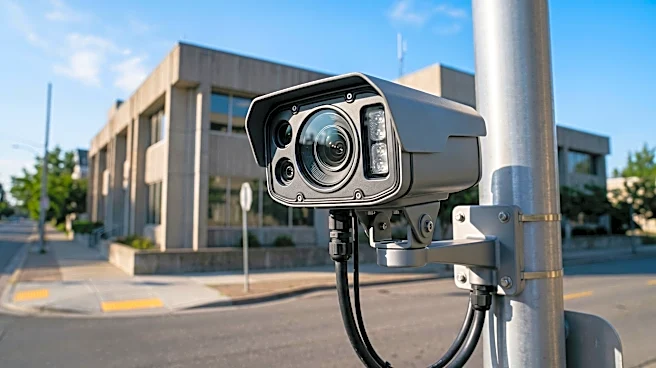
directly countering allegations that have surfaced. ALPR technology is used by law enforcement to automatically capture license plate information, which can then be checked against databases for vehicles of interest, such as those associated with Amber Alerts or stolen cars. The San Jose Spotlight reported on the chief's refutation, indicating that the department is defending the integrity and operational consistency of its ALPR program amidst public scrutiny or internal questioning. The chief's statement aims to reassure the public and stakeholders about the system's accuracy and fair implementation.
Why It's Important?
The debate over ALPR consistency in San Jose is significant because it touches upon critical issues of privacy, surveillance, and equitable law enforcement. If ALPR systems are perceived as inconsistent or unreliable, it can erode public trust in police technology and potentially lead to accusations of bias or misuse of data. The accuracy and consistent application of such technology are paramount to ensuring that it serves its intended purpose of enhancing public safety without infringing on civil liberties. Concerns about inconsistency can also lead to legal challenges regarding evidence gathered through ALPRs or calls for greater oversight and transparency in their deployment. The police chief's defense of the system indicates the department's commitment to the technology and its perceived effectiveness in crime fighting.
What's Next?
Following the San Jose police chief's refutation, it is likely that the debate surrounding ALPR consistency will continue. Critics or concerned community groups may demand further evidence or independent audits to verify the system's reliability and ensure equitable application. The police department might release additional data or conduct public demonstrations to bolster confidence in their ALPR program. There could also be calls for policy reviews or the implementation of new oversight mechanisms to address ongoing concerns about privacy and data usage. Depending on the persistence of these claims, the city council or other governing bodies might become involved, potentially initiating investigations or commissioning reports to thoroughly assess the ALPR system's performance and impact on the community.
Beyond the Headlines
Beyond the immediate controversy, the discussion around ALPR inconsistency in San Jose highlights broader national conversations about the role of surveillance technology in policing. As law enforcement agencies increasingly adopt advanced tools, questions about their accuracy, potential for bias, and impact on civil liberties become more prominent. This situation underscores the tension between public safety objectives and individual privacy rights. It also brings to light the need for robust regulatory frameworks and transparent operational guidelines for such technologies. The outcome in San Jose could influence how other municipalities approach the deployment and oversight of ALPR systems, setting precedents for accountability and public engagement in the adoption of surveillance tools across the country.