

What's Happening?
The Butte area in Montana is currently experiencing unseasonably mild weather, with temperatures on Thursday being 10-20 degrees above average due to a ridge of high pressure. Tonight, the sky will be mostly clear to partly cloudy, with lows ranging from
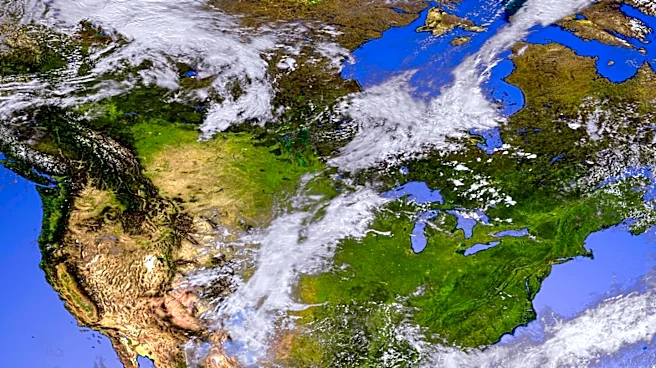
the lower 20s to lower 30s, which are still warmer than typical November temperatures. High pressure is expected to persist on Friday, maintaining the mild conditions under mostly sunny to partly cloudy skies. However, a significant change is anticipated as a deep trough forms over the West Coast. A small wave from this trough will bring isolated light showers to far western Montana on Saturday, accompanied by a cooling trend, though temperatures will remain above average. More seasonable weather, with rain turning to snow, is expected by next Tuesday and Wednesday.
Why It's Important?
The fluctuating weather patterns in the Butte area, moving from unseasonably mild to a cooling trend with potential snow, have several implications. For residents, the mild conditions might offer a temporary reprieve from typical harsh November weather, but the impending cold and snow necessitate preparation for winter. Businesses, particularly those in agriculture, tourism, and outdoor recreation, could be affected by these shifts. Unseasonably warm weather can delay winter sports seasons, while a sudden drop in temperature and snowfall can impact travel and outdoor activities. These weather changes also highlight broader climate trends and the increasing variability in seasonal conditions, which can influence resource management and emergency preparedness efforts in the region.
What's Next?
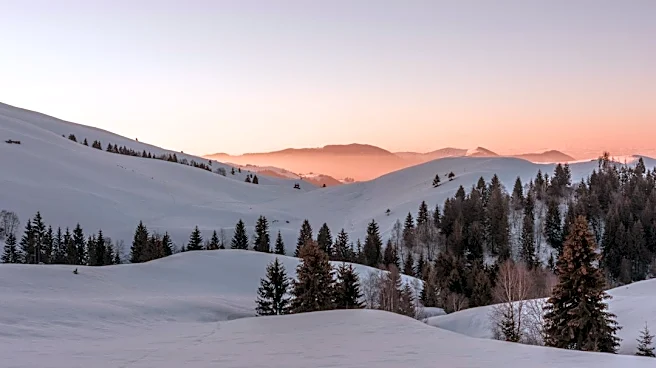
Residents in the Butte area should prepare for a significant shift in weather conditions next week. Temperatures are expected to cool to average by Tuesday and drop below average by next Thursday. The forecast indicates that rain will transition to snow mainly on Tuesday and Wednesday, signaling the return of more seasonable winter weather. This means individuals should ready their homes and vehicles for colder temperatures and potential snowfall, including checking heating systems, winterizing vehicles, and preparing for slippery road conditions. Local authorities and emergency services will likely monitor the forecast closely to ensure public safety and manage any weather-related incidents.
Beyond the Headlines
The unseasonably mild weather followed by a rapid cooling trend in Butte reflects a pattern observed in many parts of the U.S., often linked to broader climate variability. Such fluctuations can have long-term ecological impacts, affecting local flora and fauna, water resources, and agricultural cycles. For instance, a late onset of cold weather can disrupt natural hibernation patterns or plant growth cycles. The return to more seasonable weather, including snow, is crucial for replenishing snowpack, which is a vital source of water for the region in the spring and summer. These weather events serve as a reminder of the dynamic nature of regional climates and the importance of understanding and adapting to changing environmental conditions.