





What's Happening?
U.S. Senator Kirsten Gillibrand, a member of the Senate Appropriations Committee, along with U.S. Senator Chuck Schumer, has announced $1,466,049 in Federal Emergency Management Agency (FEMA) grants for New York State. This federal funding is designated
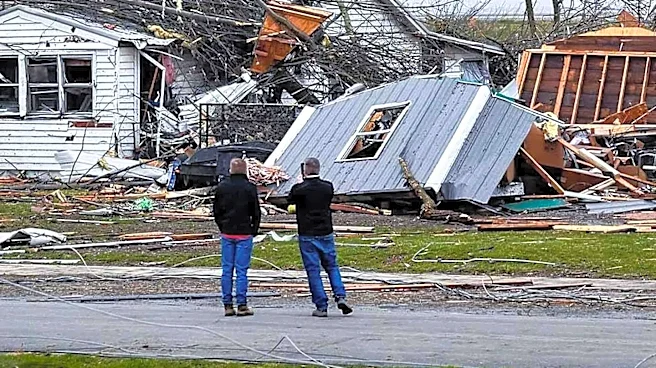
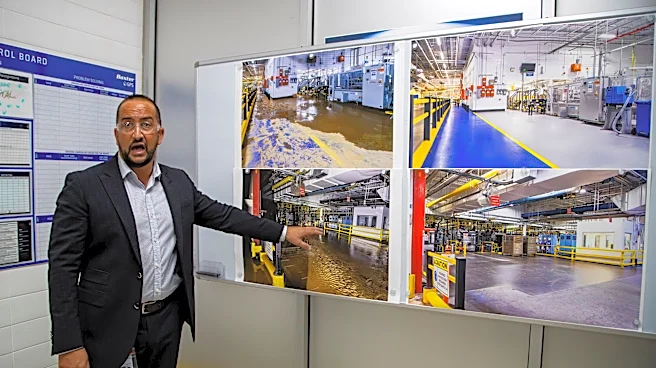
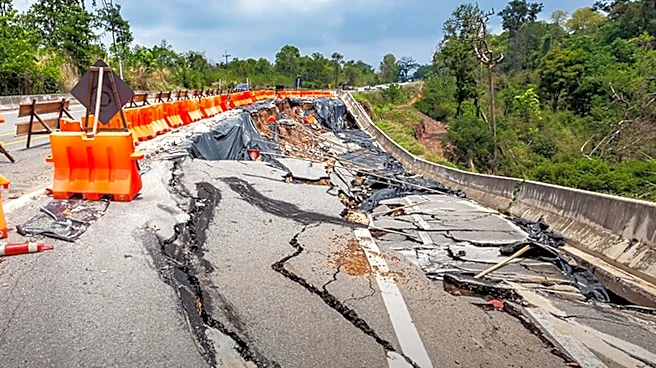
to support ongoing disaster relief and recovery efforts across the state, addressing the impacts of the COVID-19 pandemic and various severe weather and fire events. A significant portion of these funds, over $1 million, will be allocated to repair critical infrastructure that sustained damage from severe weather and fires. Additionally, more than $400,000 will be used to reimburse hospitals and health networks for emergency measures undertaken in response to the COVID-19 pandemic. Senator Gillibrand emphasized that these grants are crucial for repairing infrastructure in cities and compensating medical facilities for their pandemic-related emergency actions, reaffirming her commitment to securing funding to protect New Yorkers from future catastrophes. Senator Schumer also highlighted the importance of this funding for communities recovering from the pandemic and severe storms, aiming to build a safer and more resilient future for New York.
Why It's Important?
This allocation of FEMA grants is vital for New York State as it continues to grapple with the long-term effects of the COVID-19 pandemic and the increasing frequency of severe weather events. The funding directly addresses critical needs by repairing damaged infrastructure, which is essential for maintaining public safety, transportation, and essential services. Reimbursing hospitals and health networks for pandemic-related emergency measures is equally important, as it helps these institutions recover financially and ensures their readiness for future public health crises. This support can prevent financial strain on healthcare providers, allowing them to continue offering necessary services without interruption. The investment in resilient infrastructure is crucial for mitigating the economic and social disruptions caused by natural disasters, protecting communities, and fostering long-term stability. By bolstering both physical infrastructure and healthcare systems, these grants contribute to the overall resilience and well-being of New York's population and economy.
What's Next?
The offices of Senator Gillibrand and Senator Schumer will continue to monitor the distribution of these FEMA funds to ensure their efficient delivery to the impacted communities across New York State. This oversight is intended to guarantee that the funds are utilized effectively for their intended purposes: repairing infrastructure and reimbursing healthcare providers. The successful implementation of these grants could set a precedent for future federal disaster relief efforts, potentially influencing how similar funds are allocated and managed in other states facing comparable challenges. Furthermore, the ongoing recovery from the COVID-19 pandemic and the persistent threat of severe weather events mean that New York will likely continue to seek federal assistance. The effectiveness of this current funding round will be a key factor in advocating for future support and demonstrating the tangible benefits of federal investment in state-level disaster preparedness and recovery.
Beyond the Headlines
The provision of these FEMA grants underscores a broader national challenge concerning infrastructure resilience and public health preparedness in the face of evolving threats. The dual focus on repairing infrastructure damaged by severe weather and reimbursing healthcare systems for pandemic responses highlights the interconnectedness of environmental and public health crises. This situation also brings to light the ongoing debate about federal versus state responsibility in disaster recovery and the critical role of federal agencies like FEMA in providing essential support. The long-term implications include the potential for increased federal investment in preventative measures and resilient infrastructure development, moving beyond reactive recovery efforts. Moreover, the emphasis on reimbursing healthcare networks reflects a growing recognition of the financial burdens placed on these systems during widespread emergencies, potentially leading to policy discussions about sustainable funding models for healthcare preparedness nationwide.