


What's Happening?
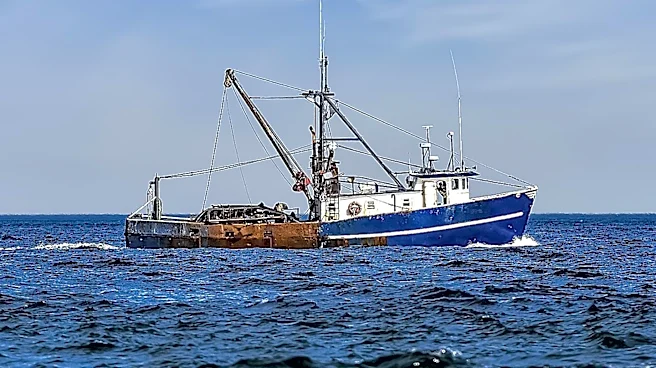
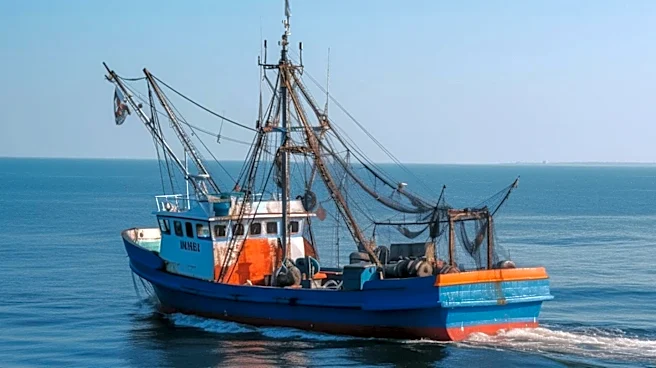
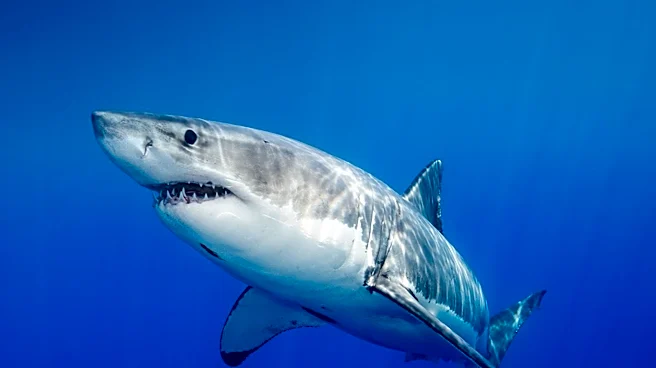
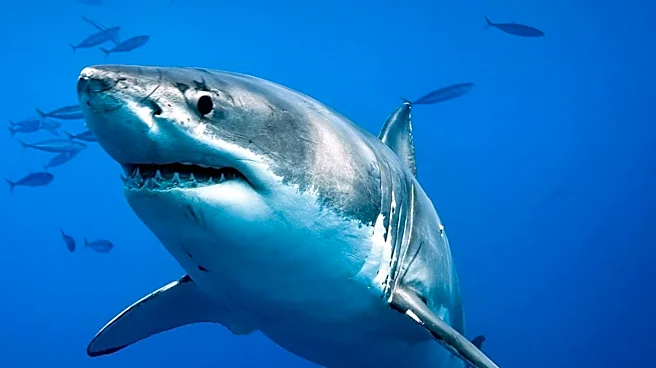
The resurgence of great white sharks in Cape Cod has become a notable phenomenon, with local fishermen experiencing increased interactions with these predators. While some charter captains view the sharks as a nuisance, others see them as an attraction
for tourists eager to witness these creatures in action. The presence of great whites is attributed to the recovery of seal populations, their primary prey, following the 1972 Marine Mammal Protection Act. This ecological shift has led to Cape Cod becoming a significant gathering spot for great whites during the summer months.
Why It's Important?
The return of great white sharks to Cape Cod signifies a healthier marine ecosystem, reflecting successful conservation efforts. However, it also presents challenges for local fisheries, as sharks can disrupt fishing activities by preying on caught fish. The presence of these apex predators has implications for tourism, potentially boosting the local economy as visitors flock to see the sharks. Conversely, it raises safety concerns for beachgoers and necessitates increased monitoring and public awareness to prevent shark-human interactions.
What's Next?
As great white shark populations continue to grow, local authorities may need to implement additional safety measures, such as increased surveillance and public education campaigns. Fishermen might adapt their practices to mitigate shark interactions, potentially exploring new fishing grounds or techniques. The tourism industry could capitalize on the sharks' presence by offering specialized tours and experiences, further integrating the sharks into Cape Cod's cultural and economic landscape.
Beyond the Headlines
The resurgence of great white sharks highlights broader environmental and conservation issues, emphasizing the interconnectedness of marine ecosystems. It underscores the importance of balanced conservation efforts that protect both predator and prey species. Additionally, the situation raises ethical questions about human interactions with wildlife and the responsibilities of communities living alongside these natural phenomena.