





What's Happening?
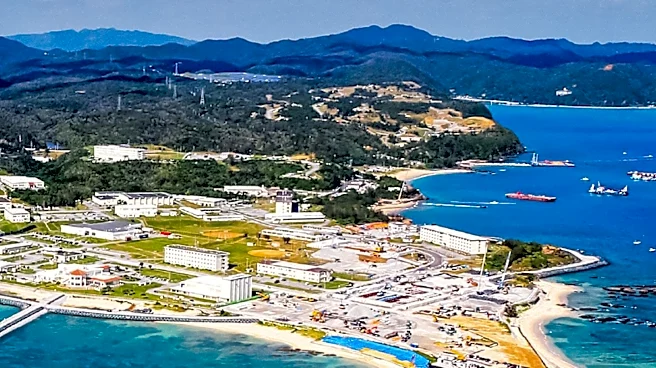
U.S. Air Force Airmen from the 18th Civil Engineer Group and U.S. Marines have completed a six-week joint effort in Okinawa, Japan, to prepare over 120 military homes for incoming families. This initiative aimed to improve housing operations by combining
maintenance support with administrative changes. To address the backlog of families awaiting permanent housing and reduce the number of personnel in temporary lodging, augmentees from various installations across Okinawa were requested. These augmentees supported two critical areas: the housing administrative office, which handles leases and financial paperwork, and the housing maintenance flight, responsible for home repairs and preparing residences for new occupants. The joint maintenance team, comprising 42 Airmen and approximately 50 Marines, inspected, painted, and prepared the homes, significantly increasing the available inventory for service members and their families. Additionally, the 718th Civil Engineer Squadron updated administrative procedures to streamline housing assignments and introduced a virtual service system, allowing service members across Okinawa to manage paperwork and check waitlists remotely.
Why It's Important?
This collaborative effort is crucial for the morale and readiness of U.S. military personnel stationed in Okinawa. By ensuring a smoother transition into permanent housing, the initiative directly impacts the well-being of service members and their families, reducing stress associated with relocation and housing delays. A consistent inventory of ready-to-occupy homes means that military families can settle in more quickly, allowing service members to focus on their duties without the added burden of housing uncertainties. The administrative improvements, particularly the virtual service system, enhance efficiency and accessibility, reflecting a modern approach to military support services. This proactive measure helps maintain a stable and supportive environment for military families, which is vital for retaining personnel and ensuring operational effectiveness in a critical strategic region.
What's Next?
The 18th Civil Engineer Group aims to continue building up its housing inventory to consistently have quarters ready for incoming personnel. The updated administrative procedures and the virtual service system are expected to remain in place, further streamlining housing assignments and support. This successful joint effort may serve as a model for other military installations facing similar housing challenges, potentially leading to broader implementation of such collaborative and efficient housing preparation strategies across the U.S. military. The focus will likely remain on maintaining the improved housing operations to ensure a smooth transition for all future incoming service members and their families.
Beyond the Headlines
The success of this joint operation highlights the importance of inter-service cooperation and resourcefulness in addressing logistical challenges within the military. Beyond the immediate benefits of improved housing, such initiatives foster stronger relationships and shared understanding between different branches of the armed forces. It also underscores the military's commitment to the welfare of its personnel, recognizing that stable living conditions are fundamental to operational readiness and family support. The adoption of virtual services for administrative tasks reflects a broader trend towards digital transformation within government and military sectors, aiming for greater efficiency and accessibility in service delivery. This approach could lead to more innovative solutions for military support services globally.