


What's Happening?
The United Nations Development Programme (UNDP) is seeking a Technical Analyst on Sustainable Commodity Policy for its operations in Indonesia. This role is open to both internal and external applicants and focuses on strengthening sustainable agricultural
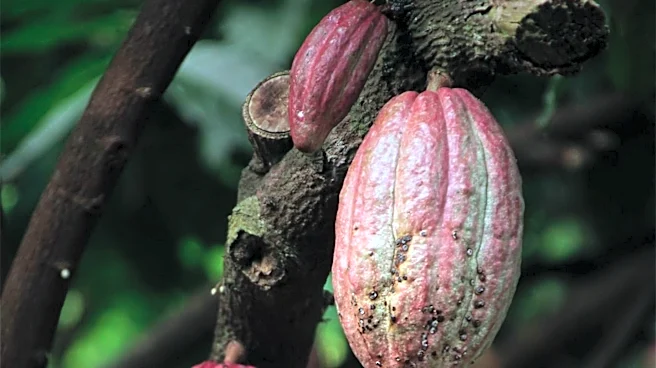
commodity governance, particularly for palm oil and cocoa. The analyst will support policy and regulatory improvements, institutional capacity development, and the implementation of sustainability standards and certification systems. Key initiatives include strengthening the Indonesian Sustainable Palm Oil (ISPO) and supporting the National Action Plan for Sustainable Palm Oil (NAP-SPO). The position aims to facilitate policy dialogue and collaboration among government, industry, and other stakeholders to advance sustainable commodity value chains and reduce deforestation.
Why It's Important?
This position is crucial for Indonesia, one of the world's largest producers of agricultural commodities like palm oil and cocoa, which are vital to its national economy and the livelihoods of millions. Unsustainable production practices in these sectors contribute to deforestation, biodiversity loss, and climate change. The Technical Analyst's role is vital in supporting Indonesia's transition towards a green economy by promoting agricultural sustainability and landscape restoration. By strengthening governance and policy frameworks, the UNDP aims to mitigate environmental impacts while enhancing the welfare of smallholder farmers. This initiative is significant for global efforts in sustainable trade and responsible consumption, as improved practices in Indonesia can set precedents for other commodity-producing nations and influence international supply chains.
What's Next?
The Technical Analyst will provide high-level policy analysis, technical advisory, and strategic recommendations to strengthen national sustainable commodity governance and certification schemes. They will also lead the drafting of policy briefs and diagnostic reports to align agricultural policies with national commitments. A key aspect of the role involves acting as a technical liaison with government counterparts, participating in high-level policy dialogues, and facilitating consensus-building among diverse stakeholders. The analyst will also work to identify synergies and align policy-related activities across various UNDP projects, ensuring a unified approach to sustainable commodity value chains. This will involve developing mechanisms to translate field-level evidence into formal regulatory inputs and monitoring the influence of project deliverables on policy enactment.
Beyond the Headlines
The focus on sustainable commodity policy in Indonesia highlights the complex interplay between economic development, environmental conservation, and social equity. The role addresses the ethical dimensions of global supply chains, particularly concerning human rights and labor practices within commodity production. By promoting sustainable practices and certification, the UNDP aims to influence consumer choices and corporate responsibility worldwide. This initiative also touches upon the legal implications of international trade agreements and environmental regulations, as countries increasingly face pressure to ensure their imports are sourced sustainably. The long-term impact could include a shift towards more transparent and accountable supply chains, potentially setting new global standards for agricultural production and trade.