






What's Happening?
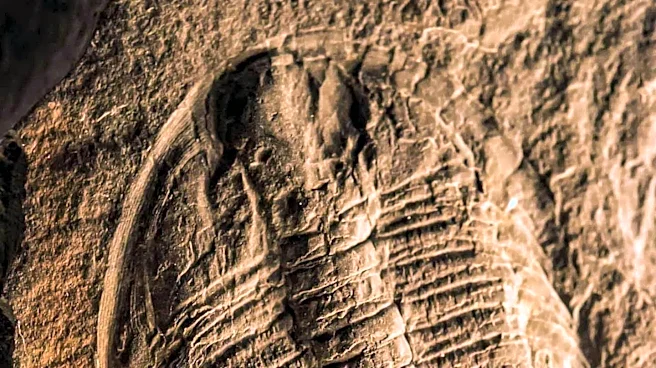
Trinidad and Tobago's Ice Age fossils, largely discovered during oil exploration between the 1920s and 1980s, are providing a unique window into the islands' prehistoric past. These specimens, dating back to the Pleistocene epoch (2.5 million to 10,000
years ago), include vertebrate, invertebrate, and plant material, offering insights into life before human arrival. Dr. Ryan Mohammed, a biologist at The University of the West Indies (UWI) and a council member of the National Trust of Trinidad and Tobago (NTTT), emphasizes the importance of these fossils for understanding ancient environments and assessing current climate data. Notably, several key historical finds, such as a giant armadillo carapace and skull discovered by Apex Oil Company in the 1920s, are currently housed in the United States. Other specimens were collected by Elizabeth Wing in the 1960s for the Florida Museum of Natural History.
Why It's Important?
The presence of significant Trinidad and Tobago Ice Age fossil specimens in U.S. institutions highlights the historical role of American paleontologists and oil companies in the discovery and study of prehistoric life in the Caribbean. These collections in the United States contribute to a broader understanding of the interconnectedness of ancient ecosystems across the Americas, as Trinidad was once connected to the South American mainland. The ongoing research, including an undergraduate student in the U.S. examining a giant armadillo fossil, demonstrates continued U.S. involvement in deciphering the region's paleontological record. This collaboration is crucial for scientific advancement, allowing researchers to piece together the environmental and biological history of the Ice Age, which in turn informs current climate studies and conservation efforts. The housing of these specimens in the U.S. also underscores the global nature of scientific research and the shared responsibility in preserving and studying Earth's natural heritage.
What's Next?
Research into Trinidad and Tobago's prehistoric heritage is ongoing, with an undergraduate student currently in the United States examining a giant armadillo fossil to determine species diversity. Researchers are also exploring areas with natural oil seeps for additional fossil deposits. The UWI Zoological Museum and the NTTT are actively working to catalog all fossils into a single database and have partnered with the La Brea Tar Pits and Museum in Los Angeles on workshops for fossil cleaning, preparation, restoration, and preservation. This Memorandum of Understanding (MoU) facilitates knowledge sharing and promotes the scientific value of these artifacts. The NTTT is also advancing efforts to strengthen protection for archaeological and paleontological sites through amendments to its regulations, which require parliamentary approval. Education and public awareness campaigns are also being pursued to highlight the nation's extinct wildlife.
Beyond the Headlines
The historical context of U.S. institutions housing significant paleontological finds from other nations, such as Trinidad and Tobago, raises broader discussions about cultural heritage, scientific stewardship, and repatriation. While these specimens contribute immensely to global scientific knowledge, their presence in foreign collections can sometimes spark debates about national ownership and the ethical implications of historical scientific practices. The ongoing collaboration between UWI, NTTT, and U.S. institutions like the La Brea Tar Pits and Museum represents a modern approach to international scientific partnership, emphasizing shared knowledge and preservation rather than mere collection. This model could serve as a blueprint for other countries seeking to collaborate on the study and protection of their paleontological resources, ensuring that scientific research benefits both the host country and the global scientific community, while also addressing concerns about the accessibility and long-term care of these invaluable artifacts.