


What's Happening?
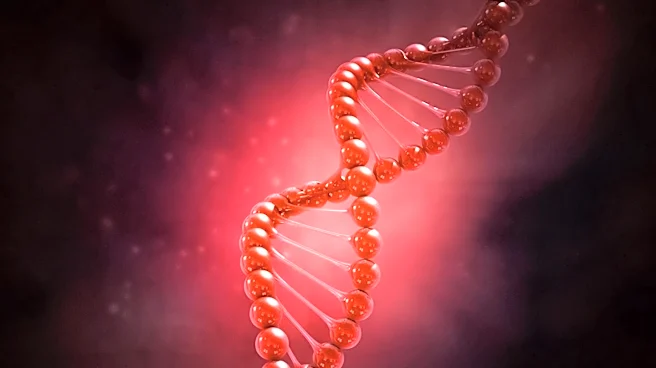
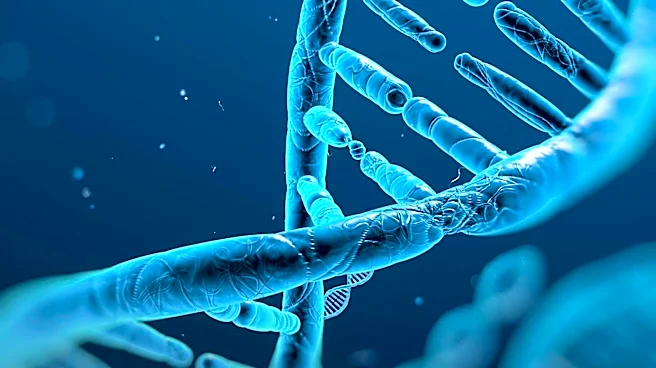
Researchers have identified non-canonical DNA structures, known as non-B DNA, in the human genome, which deviate from the traditional double helix form. These structures, occupying about 13% of the genome, can influence DNA replication, chromosome protection,
and gene regulation. While some non-B DNA forms may drive genome evolution, others could contribute to diseases like cancer and neurodegenerative disorders. The study, published in Nucleic Acids Research, aims to enhance understanding of these structures and their potential impact on health.
Why It's Important?
The discovery of non-canonical DNA structures expands the understanding of genomic complexity and its implications for human health. By identifying these structures, researchers can explore their roles in genetic regulation and disease development, potentially leading to new diagnostic and therapeutic strategies. This research underscores the importance of structural genomics in advancing medical science and highlights the need for further studies to unravel the functional significance of non-B DNA in health and disease.