






What's Happening?
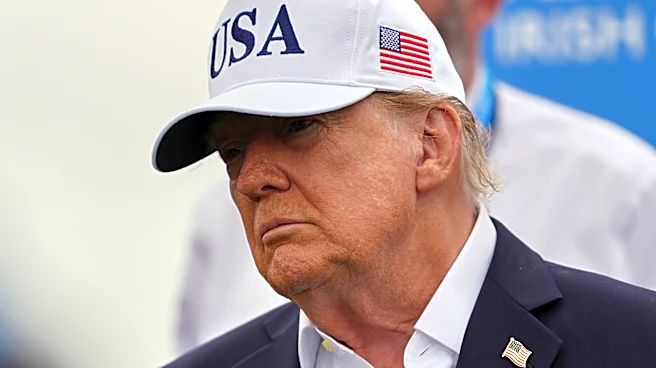
President Trump has attributed the recent surge in U.S. diesel prices, which surpassed $6 a gallon, to Ukraine's intensified attacks on Russian oil refineries. He publicly urged Ukrainian President Volodymyr Zelenskyy to cease these attacks, arguing that
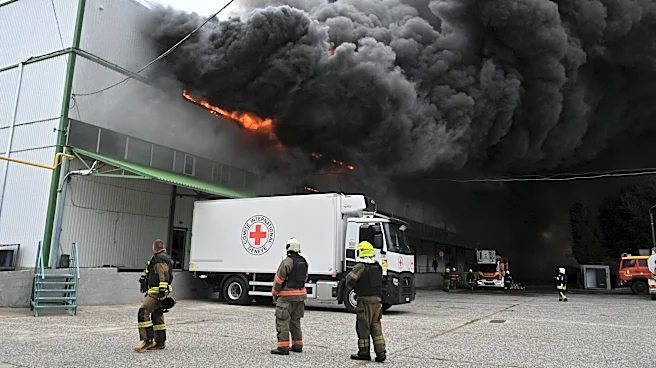
they target a sector vital for Russia's economy and military, and a producer of petroleum products for export. President Trump's statement suggests a direct causal link between the conflict in Ukraine and domestic fuel costs. However, the source also notes that the U.S. conflict with Iran has contributed to disruptions in global energy supplies and increased oil prices, indicating multiple factors influencing the market.
Why It's Important?
President Trump's assertion is significant because it directly links a geopolitical conflict to domestic economic hardship, potentially influencing public opinion on foreign policy and energy strategy. If widely accepted, this narrative could shift focus from other contributing factors to fuel prices, such as domestic energy policies, global supply and demand dynamics, or the actions of other oil-producing nations. The claim also highlights the interconnectedness of global energy markets and how international events can have tangible impacts on American consumers and industries. The rising cost of diesel, a critical fuel for transportation and agriculture, can lead to increased operational costs for businesses, potentially contributing to inflation and affecting the broader U.S. economy.
What's Next?
The claim by President Trump is likely to spark further debate among economists, energy analysts, and policymakers regarding the true causes of high diesel prices. Experts may offer alternative or additional explanations, such as OPEC+ production decisions, U.S. refinery capacity, or global economic demand. The public call for Ukraine to halt attacks on Russian refineries could also create diplomatic tensions and raise questions about the U.S. stance on the conflict. The ongoing discussion will likely influence future energy policy debates and potentially impact consumer behavior and industrial planning in the U.S.
Beyond the Headlines
President Trump's statement delves into the complex interplay between international conflict, energy security, and domestic economic stability. It raises deeper questions about the weaponization of energy in geopolitical strategies and the vulnerability of global supply chains to regional conflicts. The narrative also touches upon the challenge of attributing economic phenomena to single causes, often simplifying complex market dynamics for political messaging. Furthermore, it highlights the ongoing tension between supporting allies in conflict and mitigating domestic economic repercussions, a dilemma that often confronts U.S. foreign policy. The discussion around diesel prices could also bring renewed attention to the broader transition to renewable energy sources and the long-term implications of fossil fuel dependency.