



What's Happening?
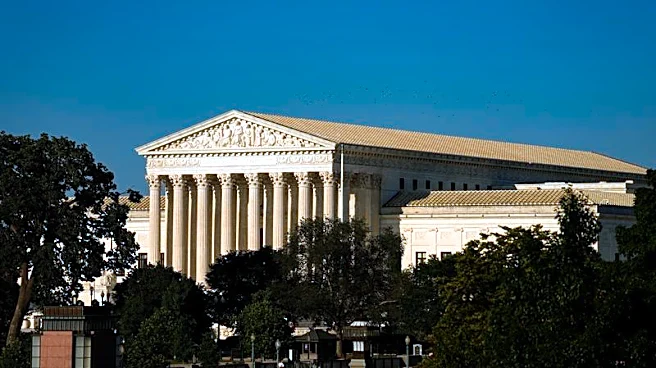
The Supreme Court is facing increased scrutiny and calls for reform following a contentious term that saw significant rulings on Congress's powers, the Voting Rights Act, and campaign finance regulations. Some Democrats are advocating for changes such
as expanding the court or imposing term limits on justices to address what they see as a conservative supermajority. Other proposals include jurisdiction stripping to limit the types of cases the court can hear. A more radical suggestion involves ending or limiting the court's power of judicial review, a foundational aspect of its authority established in 1803. Legal experts like Harvard Law's Nikolas Bowie have proposed measures to reclaim some constitutional interpretive power for Congress, such as requiring a supermajority for the court to strike down federal laws.
Why It's Important?
The debate over Supreme Court reform is significant as it touches on the balance of power within the U.S. government and the role of the judiciary in interpreting the Constitution. Changes to the court's structure or powers could have far-reaching implications for American democracy, potentially altering how laws are made and interpreted. Proponents argue that reforms could make the court more representative of the public's will, while opponents warn that such changes could destabilize the legal system and undermine judicial independence. The outcome of these debates could affect key issues like voting rights, campaign finance, and executive power.
What's Next?
As the debate continues, the upcoming election season is likely to amplify discussions around Supreme Court reform. Legislative proposals may be introduced, and public opinion could play a crucial role in shaping the direction of potential reforms. The court's future decisions and the political landscape will also influence the likelihood of any significant changes being implemented.