




What's Happening?
The U.S. federal government is investigating a series of cases involving missing and deceased scientists, some of whom had access to sensitive scientific information. This investigation has been prompted by a list of about 10 individuals who have either
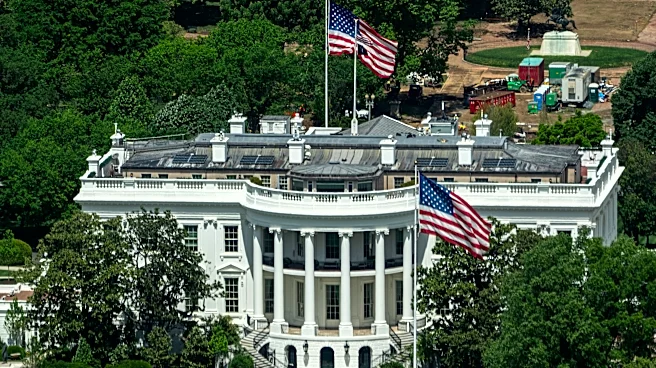
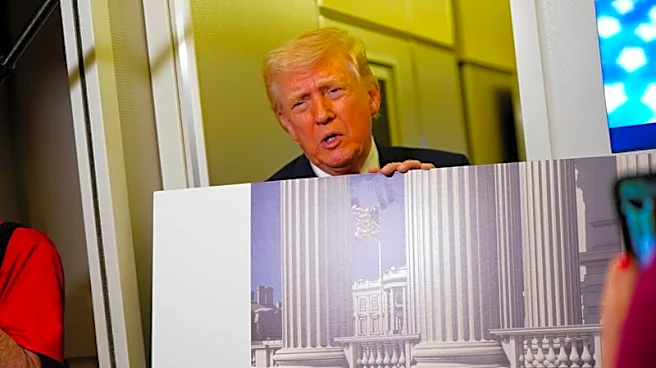
disappeared or died under various circumstances. The list includes a retired Air Force general, an astrophysicist, and a construction foreman at Los Alamos National Laboratory. The White House, along with multiple federal agencies and members of Congress, is examining potential connections between these cases. President Trump has acknowledged the situation, suggesting that the cases might be coincidental but warrant further investigation. Critics, however, have dismissed the concerns as conspiracy theories, emphasizing the natural occurrence of such events given the large number of scientists in the U.S.
Why It's Important?
The investigation into these cases is significant as it touches on national security concerns, particularly regarding the protection of sensitive scientific information. The involvement of high-profile scientists and the potential implications of their work being compromised could have far-reaching effects on U.S. scientific and defense capabilities. The scrutiny from federal agencies highlights the importance of safeguarding scientific research and personnel. Additionally, the public and media attention on these cases reflects broader societal concerns about the safety and security of individuals working in sensitive fields. The outcome of this investigation could influence future policies on how scientific information is protected and how personnel safety is ensured.
What's Next?
As the investigation progresses, federal agencies are expected to provide briefings on their findings and any measures being implemented to protect scientific secrets and personnel. The White House has committed to leaving no stone unturned, indicating a thorough examination of each case. The results of this investigation could lead to changes in how scientific research is conducted and protected in the U.S. Furthermore, the findings may prompt discussions on improving security protocols at research institutions and enhancing collaboration between agencies to prevent similar occurrences in the future.
Beyond the Headlines
The investigation into these cases also raises questions about the balance between transparency and security in scientific research. The potential for classified information to be compromised highlights the ethical considerations of how much information should be publicly accessible versus protected. Additionally, the societal reaction to these cases underscores the human tendency to seek patterns and connections, even when they may not exist. This phenomenon can lead to the spread of misinformation and conspiracy theories, which can complicate legitimate investigative efforts.