






What's Happening?
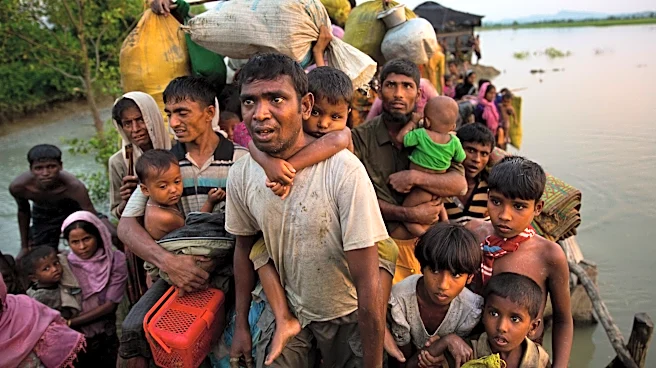
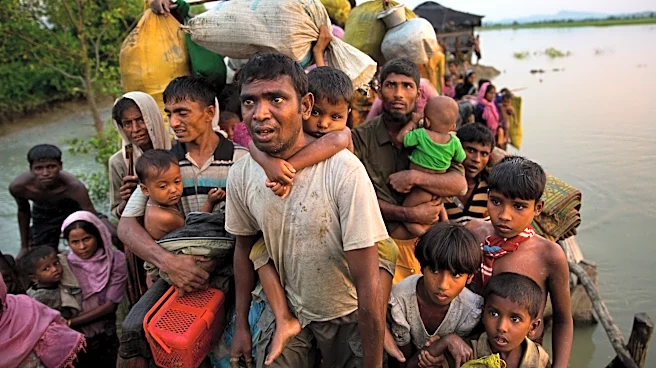
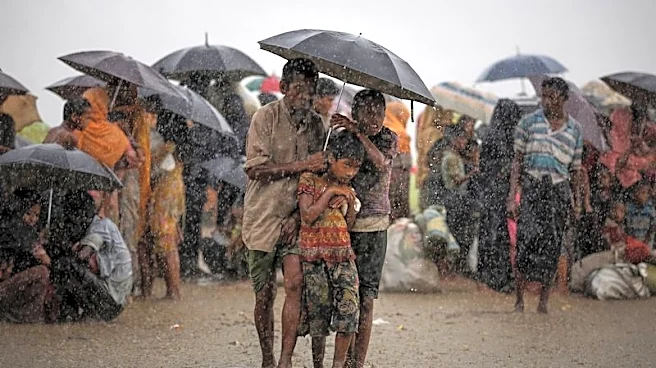
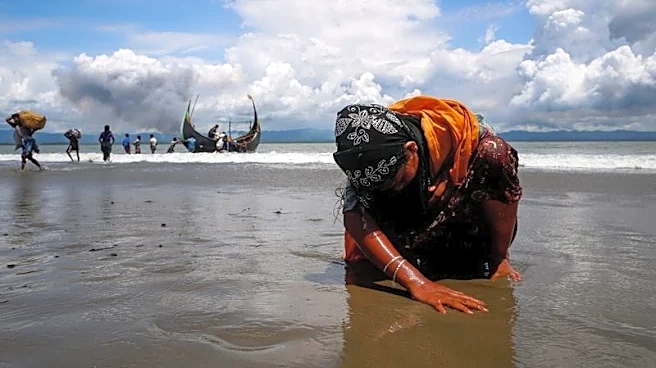
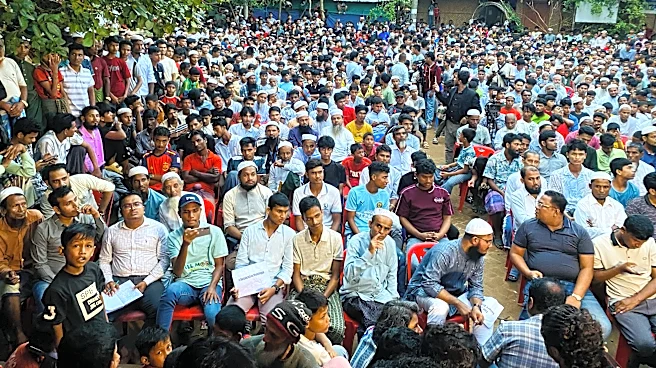
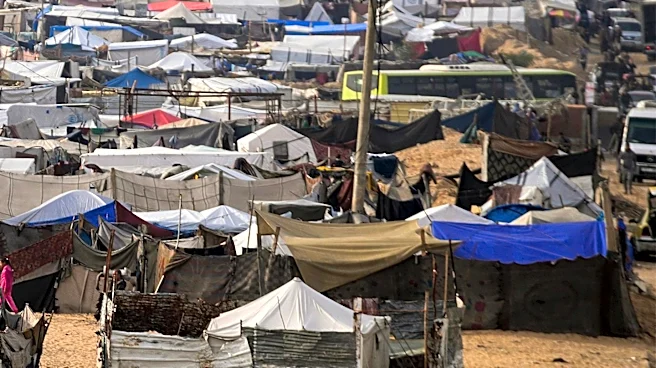
As the Rohingya crisis enters its tenth year, Oxfam reports that over 1.2 million Rohingya refugees continue to reside in Cox’s Bazar, Bangladesh, having fled violent conflict in Myanmar since 2017. What began as an emergency has evolved into one of the world's
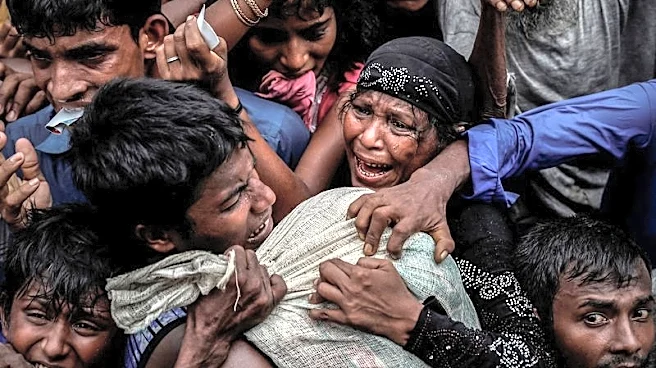
most complex refugee situations. Oxfam, alongside local organizations, the Bangladeshi government, U.N. agencies, and donors, initially focused on providing essential services like food, water, and shelter. Over the years, the response has become more complex, with efforts now including supporting refugees in growing food, learning trades, and earning income. However, global cuts to humanitarian funding are threatening the progress made in building resilience and sustaining essential services for the Rohingya community. Oxfam and its partners are urging the global community to provide continued funding to protect these vital programs.
Why It's Important?
The ongoing funding cuts pose a significant threat to the stability and well-being of over a million Rohingya refugees who have been displaced for nearly a decade. The progress made in transitioning from emergency aid to self-reliance, including vocational training and income-generating activities, is at risk. This situation highlights the critical need for sustained international support in protracted humanitarian crises. Without adequate funding, the gains in improving daily life, such as solar-powered water systems and livelihood opportunities, could be reversed, leading to increased vulnerability and dependence among the refugee population. The potential for a humanitarian backslide underscores the importance of consistent global commitment to long-term solutions for displaced communities, preventing the crisis from becoming normalized and forgotten.
What's Next?
Oxfam and its partners are actively advocating for increased global funding to safeguard essential services and programs for Rohingya refugees in Bangladesh. The immediate next step involves securing financial commitments from the international community to prevent further deterioration of living conditions and to sustain the progress achieved in self-reliance initiatives. Without renewed funding, organizations may be forced to scale back critical services, impacting food security, water access, and livelihood opportunities. The long-term outlook depends on the global community's willingness to provide consistent support, enabling refugees to build more secure futures and maintain their dignity. Continued advocacy will be crucial to ensure the crisis remains on the international agenda and receives the necessary resources.
Beyond the Headlines
The protracted nature of the Rohingya crisis, now entering its tenth year, raises deeper questions about the international community's responsibility in managing long-term displacement. The shift from emergency response to fostering self-reliance reflects a broader evolution in humanitarian aid strategies, aiming to empower refugees rather than merely sustain them. However, the vulnerability of these programs to funding cuts exposes the fragility of such progress. This situation also highlights the risk of 'donor fatigue' in prolonged crises, where initial urgency wanes despite ongoing immense needs. The ethical implication is whether the world can afford to become 'accustomed' to such large-scale displacement, potentially leading to a generation of refugees without viable pathways to self-sufficiency or durable solutions. The crisis underscores the need for sustainable funding models and political will to address the root causes of displacement.