






What's Happening?
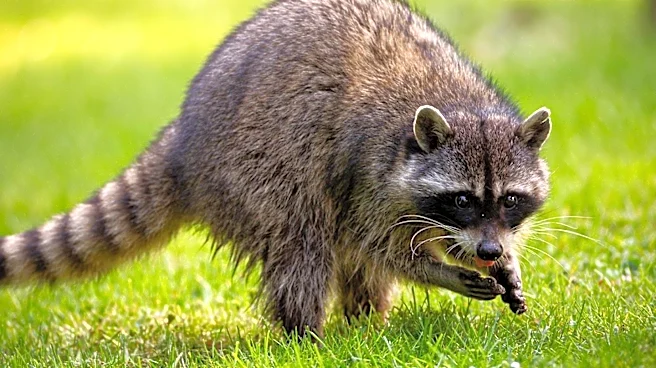
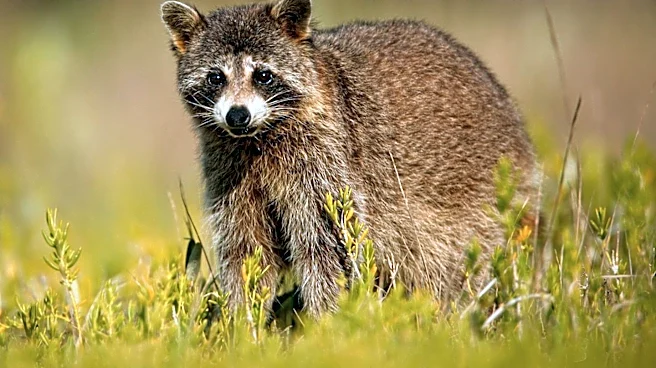
In Glassboro, New Jersey, a raccoon attacked a resident and tested positive for rabies, prompting local officials to search for another raccoon that may have been exposed. The incident occurred when the raccoon charged at Kevin Tucker, biting him on the leg.
The attack has raised concerns about rabies transmission in residential areas, where human-wildlife interactions are common. Authorities are advising residents to avoid wild animals and ensure their pets' vaccinations are up to date.
Why It's Important?
Rabies is a serious viral disease that poses significant health risks to humans and animals. The presence of a rabid animal in a residential area highlights the potential for increased human-wildlife conflicts, especially in regions where development encroaches on natural habitats. This incident underscores the importance of public health measures, such as vaccination and wildlife management, to prevent the spread of rabies. It also emphasizes the need for community awareness and preparedness to handle wildlife encounters safely.
What's Next?
Local authorities are likely to continue their search for the second raccoon and may implement additional measures to monitor and control the spread of rabies in the area. Public health campaigns may be launched to educate residents about the risks of rabies and the importance of pet vaccinations. The incident may also prompt discussions on wildlife management strategies to reduce human-wildlife conflicts in suburban areas. Residents are encouraged to report any unusual wildlife behavior to local animal control.