









What's Happening?
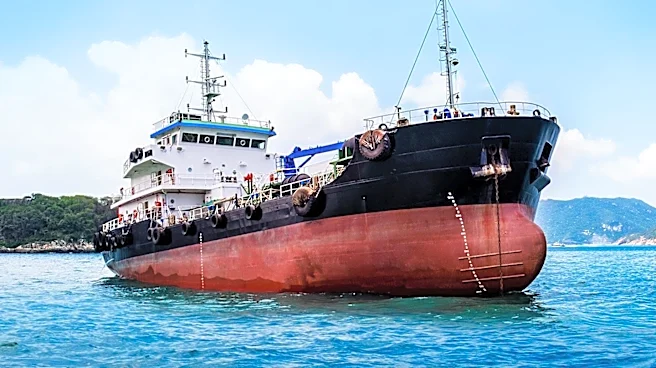
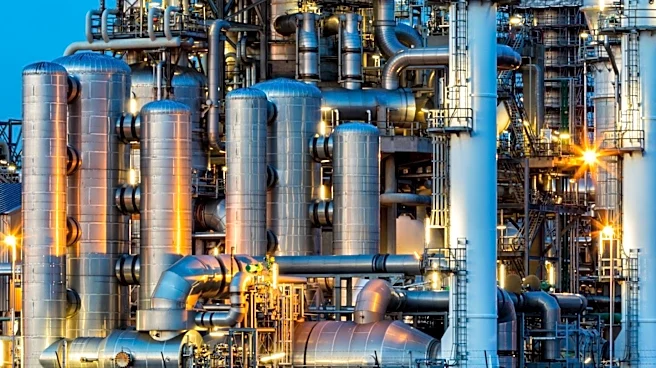
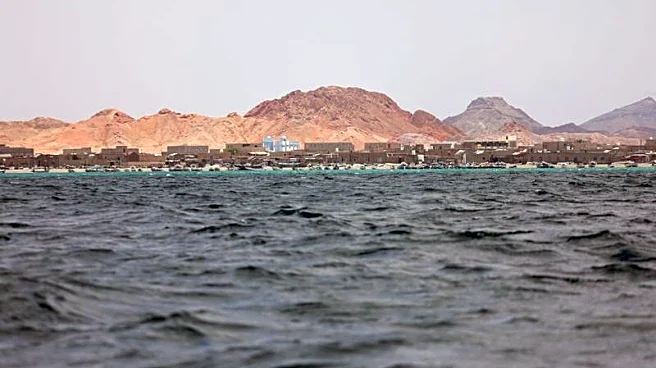
Saudi Arabia's Yanbu port is operating near its maximum capacity for crude oil shipments as tensions escalate with Yemen's Houthi militia. The port has seen daily loadings reach approximately 4.7 million barrels per day, a significant increase from previous
weeks. This surge in activity is partly due to disruptions in the Strait of Hormuz, a critical shipping route affected by regional conflicts. Saudi Aramco, the world's largest oil exporter, has been utilizing Yanbu more intensively since the onset of the U.S.-Israeli conflict with Iran. The kingdom is also considering expanding its oil pipeline capacity to the Red Sea coast to bypass the Strait of Hormuz. Recent missile attacks by the Houthis, following accusations against Saudi Arabia of bombing an airport under their control, have heightened concerns about potential threats to Yanbu.
Why It's Important?
The increased activity at Yanbu port underscores the strategic importance of alternative oil export routes for Saudi Arabia amid geopolitical tensions. The reliance on Yanbu helps mitigate risks associated with the Strait of Hormuz, a chokepoint for global oil shipments. The situation highlights the broader implications of regional conflicts on global oil markets, potentially affecting oil prices and supply stability. The ongoing tensions with the Houthis and the possibility of further attacks could disrupt operations at Yanbu, impacting Saudi Arabia's oil export capabilities and influencing global energy markets. This development is crucial for stakeholders in the oil industry, including producers, traders, and consumers, as it may lead to fluctuations in oil supply and prices.
What's Next?
Saudi Arabia may continue to explore and implement strategies to secure its oil exports, including further expanding its pipeline infrastructure to the Red Sea. The kingdom's response to potential threats from the Houthis will be critical in maintaining the security of its oil facilities. Additionally, the international community, particularly countries reliant on Middle Eastern oil, will be closely monitoring the situation. Any escalation in hostilities could prompt diplomatic interventions or adjustments in energy policies. The potential for increased military activity in the region may also influence global geopolitical dynamics, with implications for international relations and security strategies.