


What's Happening?
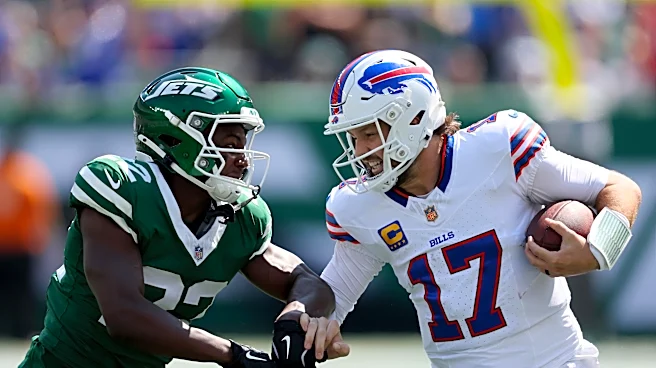
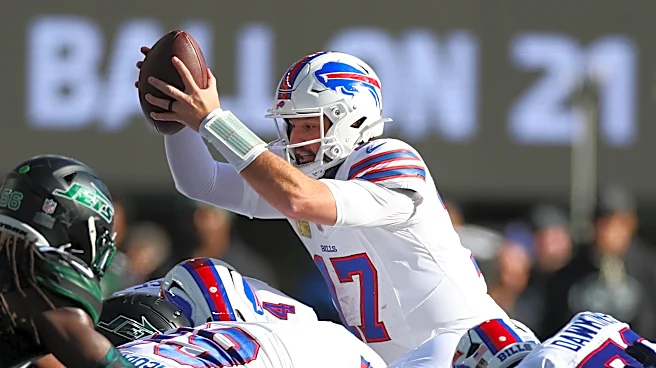
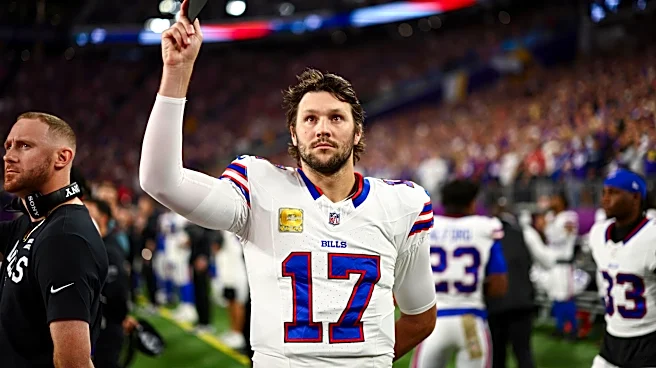
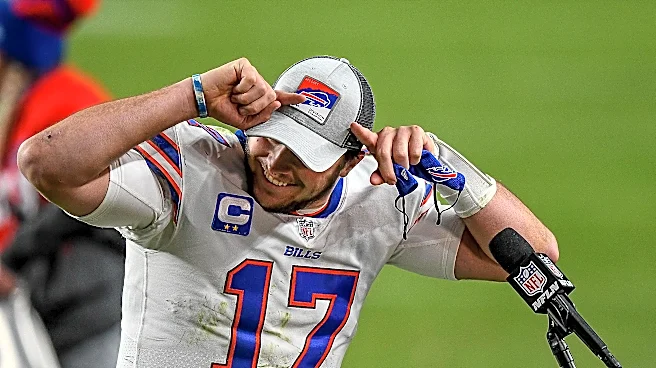
A recent New York Times guest essay has brought renewed attention to Buffalo Bills quarterback Josh Allen's past comments expressing skepticism about the 1969 moon landing. The article, penned by Pulitzer Prize-winning journalist J.R. Moehringer, examines
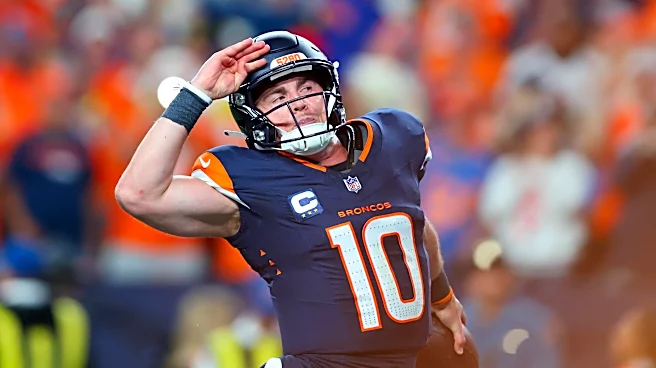
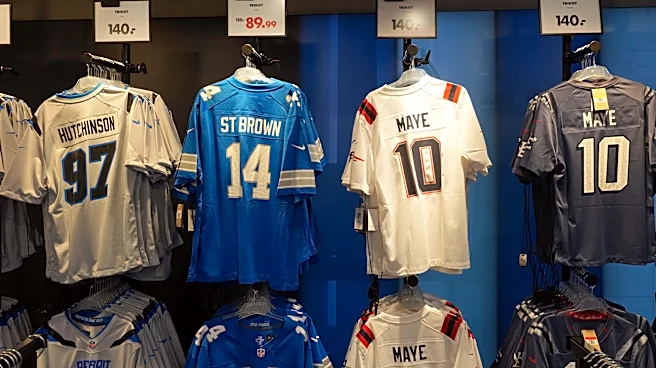
professional athletes who have voiced doubts about the historic event and their influence on fans. In 2023, when asked about conspiracy theories, Allen stated, 'The moon landing's up there for me. Still not quite sure if I believe that one wholeheartedly.' While he expressed skepticism, he did not outright deny the event. New England Patriots quarterback Drake Maye also shared similar doubts last month, prompting a response from NASA Administrator Jared Isaacman, who tweeted, 'I quite literally have the receipts.'
Why It's Important?
The resurfacing of Josh Allen's comments highlights a broader cultural phenomenon in the U.S. where public figures, including athletes, can influence public opinion on historical events and scientific consensus. As prominent sports figures, Allen and Maye's statements, even if expressed as skepticism rather than outright denial, can contribute to the spread of misinformation or foster distrust in established facts among their large fan bases. This situation underscores the responsibility of public figures in shaping public discourse and the potential impact of their personal beliefs on societal understanding. The response from NASA Administrator Jared Isaacman also emphasizes the scientific community's efforts to counter such skepticism with factual evidence, reinforcing the importance of scientific literacy and critical thinking.
What's Next?
The New York Times essay and the subsequent discussion are likely to continue the conversation around the role of public figures in promoting or questioning established facts. While there are no immediate policy implications, the ongoing dialogue may prompt further scrutiny of how athletes' personal views intersect with their public platforms. It could also encourage more direct engagement from scientific institutions like NASA to proactively address and debunk common conspiracy theories. For the athletes involved, it may lead to further questions from the media, requiring them to clarify or elaborate on their positions, potentially influencing their public image and fan perception.
Beyond the Headlines
This incident delves into the complex interplay between celebrity, public trust, and the dissemination of information in the digital age. The skepticism expressed by athletes like Allen and Maye, regardless of their intent, taps into a broader societal trend of questioning authority and established narratives. It raises questions about the nature of belief, the impact of social media on information consumption, and the challenges of maintaining a shared understanding of historical and scientific truths. The fact that such comments can gain traction and warrant a response from a NASA official underscores the deep-seated nature of these debates and the ongoing struggle between evidence-based knowledge and alternative interpretations in contemporary American society.