





What's Happening?
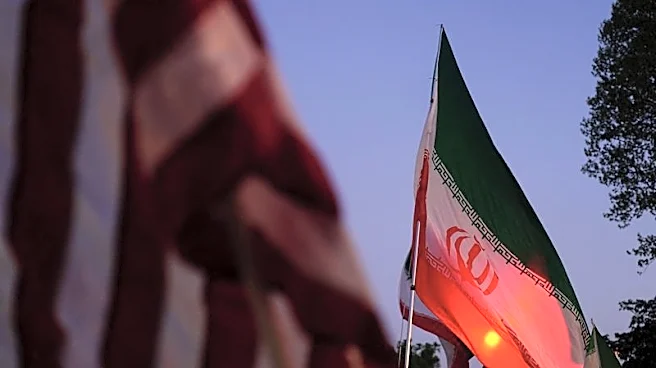
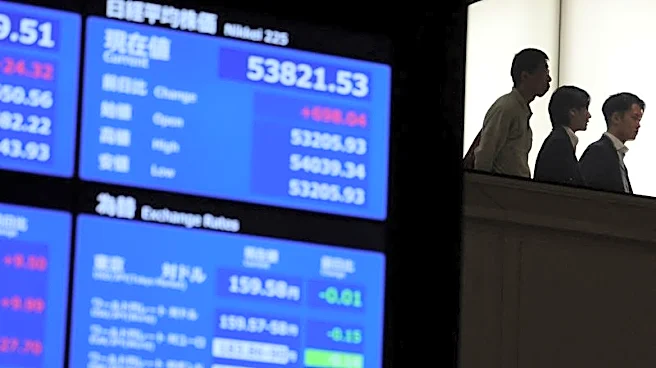
The United States and Iran have agreed to a two-week ceasefire, leading to a surge of optimism across global markets. The pound experienced its largest one-day gain in three weeks, rising 1% to $1.342, its highest since March 23. Brent crude futures fell
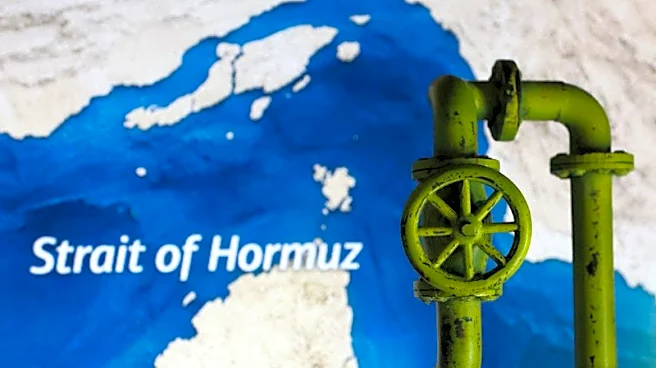
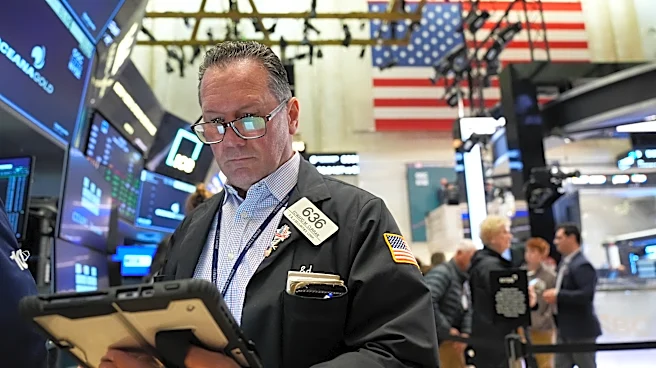
by as much as 16% in early trading, as investors welcomed the prospect of resumed marine traffic through the Strait of Hormuz, which had been blocked by Iran. Money markets have adjusted their expectations for central bank rate hikes, with traders now anticipating fewer increases by the Bank of England this year.
Why It's Important?
The ceasefire between the U.S. and Iran has significant implications for global economic stability. The reopening of the Strait of Hormuz is crucial for oil supply chains, and its blockage had raised concerns about energy prices and inflation. The easing of tensions has led to a reduction in expected rate hikes, which could influence economic growth and investment strategies. The pound's strength against the euro reflects shifting market dynamics, as investors reassess central bank policies in light of geopolitical developments.
What's Next?
Market participants will continue to monitor the situation closely, as the ceasefire's sustainability remains uncertain. The Bank of England's policy decisions will be influenced by ongoing geopolitical events and economic indicators. Investors will also watch for any changes in the European Central Bank's stance, as the euro's performance against the pound could be affected by differing policy approaches. The ceasefire's impact on oil prices and inflation will be key factors in shaping future economic conditions.