





What's Happening?
A recent compendium of rulings from the federal courts of appeal highlights various legal challenges and constitutional issues. Notably, a case involving Customs and Border Protection (CBP) agents who raided a property in Chicago without a warrant is under
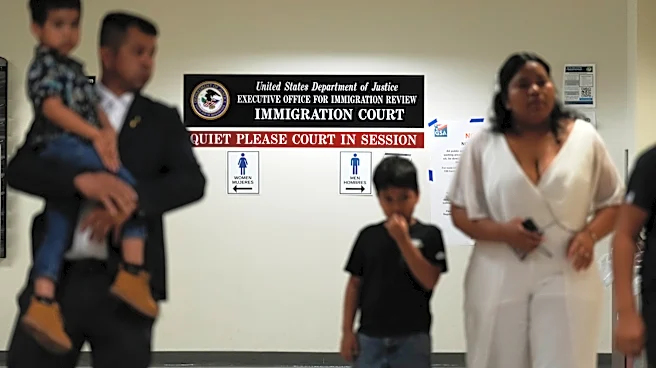
scrutiny. The agents allegedly caused damage and used tear gas on neighbors, leading to a lawsuit under multiple legal frameworks, including Bivens and the Federal Tort Claims Act. Additionally, the Eighth Circuit reversed a decision regarding a Missouri man arrested with a firearm and drug paraphernalia, suggesting a potential Second Amendment defense. Other cases address issues such as price fixing in Atlantic City, First Amendment rights in New York, and immigration bond policies.
Why It's Important?
These rulings underscore ongoing debates about constitutional rights and the accountability of federal officers. The Chicago case raises significant questions about the limits of law enforcement authority and the protection of civil liberties. The potential Second Amendment defense in the Missouri case could influence future interpretations of gun rights for individuals with substance use histories. Moreover, the rulings on price fixing and First Amendment rights reflect broader concerns about corporate practices and government transparency. These cases collectively highlight the evolving landscape of U.S. law and its impact on citizens' rights and government accountability.
What's Next?
The outcomes of these cases could lead to significant legal precedents affecting federal law enforcement practices and constitutional rights. The Chicago case may prompt further judicial review and potential Supreme Court involvement to clarify the accountability of federal officers. The Missouri case could influence future legal arguments regarding gun rights and substance use. As these cases progress, they may inspire legislative or policy changes aimed at addressing the identified legal and constitutional issues. Stakeholders, including legal experts and civil rights organizations, will likely continue to monitor and engage with these developments.