





What's Happening?
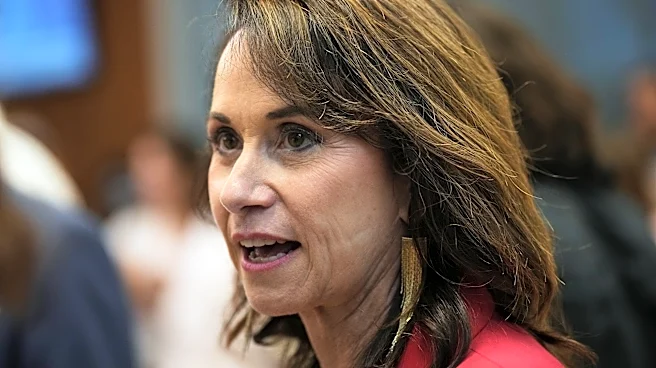
Democratic U.S. Representative Cleo Fields has announced that he will not seek reelection to his redrawn congressional district in Louisiana. This decision follows a U.S. Supreme Court ruling that declared his district's previous boundaries as an 'unconstitutional
gerrymander' due to its heavy reliance on race. The state legislature subsequently redrew the district to favor Republicans in the upcoming midterm elections. Fields, a prominent figure in Louisiana politics, has decided to pursue a seat in the state Senate instead. The Supreme Court's decision is part of a broader national redistricting battle, influenced by efforts to protect Republican interests in the midterms.
Why It's Important?
The redistricting of Cleo Fields' district is significant as it highlights the ongoing national debate over gerrymandering and its impact on political representation. The Supreme Court's ruling and the subsequent redrawing of the district underscore the contentious nature of redistricting, particularly in states with a history of racial gerrymandering. This development could shift the political landscape in Louisiana, potentially increasing Republican representation in Congress. It also reflects broader efforts by political parties to secure electoral advantages through redistricting, which can affect voter representation and influence legislative priorities.
What's Next?
With Fields stepping down, the focus will shift to the upcoming elections and how the new district boundaries will influence the political balance in Louisiana. The redistricting may lead to increased competition among candidates and could impact voter turnout and engagement. Additionally, Fields' decision to run for the state Senate may alter the dynamics of state-level politics. Observers will be watching to see how these changes affect both local and national political strategies, particularly in the context of the midterm elections.