






What's Happening?
Menlo Park, California, is home to remnants of a World War I Army base known as Camp Fremont. Established on July 24, 1917, shortly after the U.S. entered the war, the camp was a significant military installation, housing 27,000 soldiers and 10,000 horses.
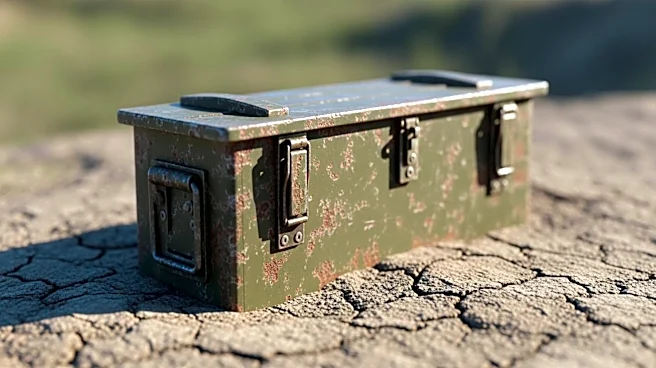
It was a site for trench warfare training, and its legacy includes unexploded World War I artillery shells found in local backyards as recently as 2015. The camp played a crucial role in a lesser-known military expedition to Siberia, where 5,000 soldiers from Camp Fremont were deployed in 1918. This mission, ordered by President Woodrow Wilson, aimed to secure American supplies and assist Czechoslovak troops. The expedition faced harsh conditions and resulted in 189 American casualties. The camp was also severely affected by the Spanish flu, which hospitalized over 2,400 soldiers and resulted in 147 deaths. The Army abandoned the camp in 1919, and its buildings were auctioned off.
Why It's Important?
The historical significance of Camp Fremont highlights the often-overlooked aspects of U.S. military history and its impact on local communities. The presence of unexploded ordnance poses ongoing safety concerns for residents, reflecting the long-term consequences of military activities. The camp's involvement in the Siberian expedition underscores the complexities of U.S. foreign policy during World War I, illustrating the challenges faced by American troops in unfamiliar and hostile environments. The Spanish flu's impact on the camp also serves as a reminder of the vulnerability of military installations to pandemics, a relevant consideration in light of recent global health crises. Understanding this history is crucial for appreciating the broader implications of military decisions and their lasting effects on communities.
What's Next?
While the camp itself no longer exists, its legacy continues to influence Menlo Park. Efforts to safely manage and dispose of unexploded ordnance are essential to ensure public safety. The historical significance of the site may lead to increased interest in preserving and commemorating its history, potentially through educational programs or local heritage initiatives. Additionally, the story of Camp Fremont could inspire further research into other forgotten military sites across the U.S., contributing to a more comprehensive understanding of the nation's military past.
Beyond the Headlines
The story of Camp Fremont offers insights into the cultural and historical identity of Menlo Park. The transformation of the camp's hostess house into a restaurant and the use of the former base hospital as a Veterans Affairs facility demonstrate how historical sites can be repurposed to serve contemporary needs. This adaptive reuse of historical structures reflects broader trends in urban development and heritage conservation. Moreover, the camp's history highlights the ethical considerations of military interventions and the human cost of war, prompting reflection on the responsibilities of military and political leaders in safeguarding both soldiers and civilians.