


What's Happening?
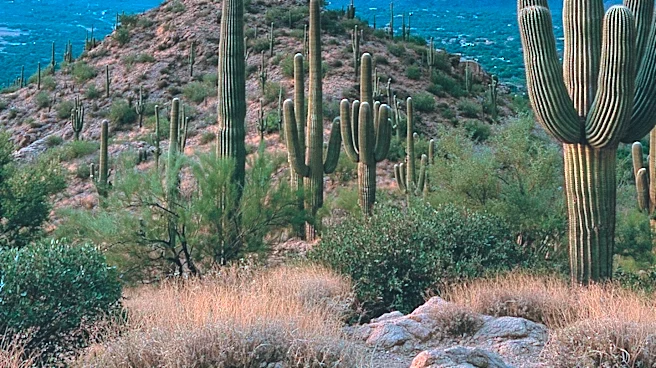
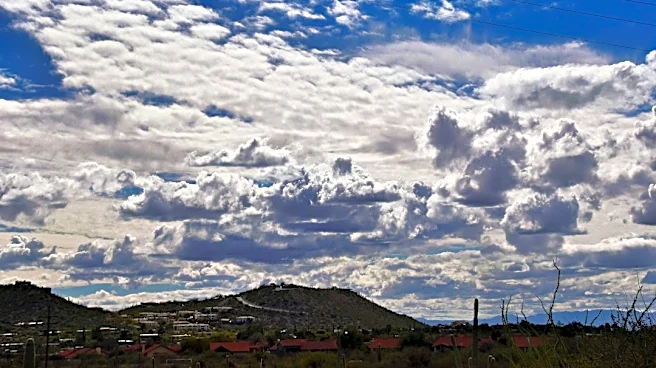
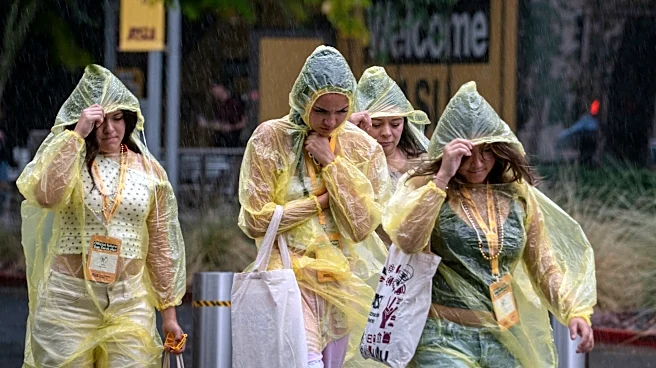
Despite the official end of the monsoon season on September 30, Southern Arizona continues to experience lingering monsoon moisture, leading to potential weekend storms and additional rainfall in areas like Green Valley and Sahuarita. National Weather
Service Tucson meteorologist Julia Tetrault confirmed that the region has not yet pushed out the season's remaining moisture. Flagstaff, for instance, significantly surpassed its normal monsoon precipitation total, recording over three inches of rain in the latter half of September. The city's monsoon season concluded with 8.68 inches of precipitation between June 15 and September 30, exceeding its average of 7.68 inches by exactly one inch. This extended period of moisture indicates a more prolonged impact of the monsoon season than typically observed.
Why It's Important?
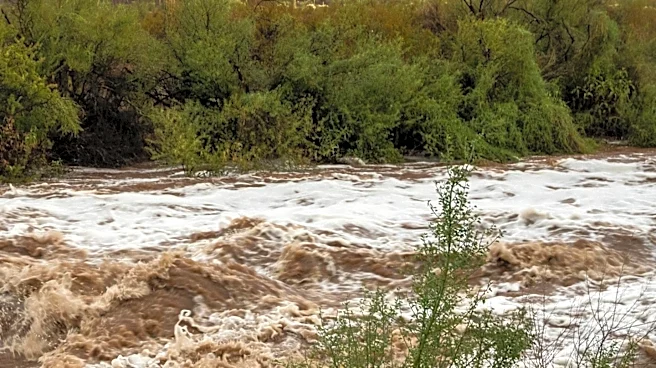
The persistence of monsoon moisture beyond its official end date has several important implications for Southern Arizona. Environmentally, continued rainfall can contribute to replenishing water tables and supporting local ecosystems, which is crucial for a desert region. However, it also increases the risk of flash flooding, particularly in areas with dry washes and urban infrastructure not designed for prolonged heavy rainfall. For residents, this means a continued need for vigilance regarding weather alerts and potential travel disruptions. Economically, while beneficial for agriculture and water resources, unexpected storms can impact outdoor businesses and tourism. The extended moisture also highlights the dynamic and sometimes unpredictable nature of regional weather patterns, which can influence long-term climate planning and resource management strategies in the U.S. Southwest.
What's Next?
Residents in Green Valley and Sahuarita should anticipate possible weekend storms and continued rainfall due to the lingering monsoon moisture. The National Weather Service will likely continue to issue weather advisories and forecasts to keep the public informed about potential hazards such as flash floods. Local authorities and emergency services will remain on alert to respond to any weather-related incidents. The extended moisture period may also prompt further analysis by meteorologists and climate scientists to understand if this is an anomaly or indicative of a broader shift in regional monsoon patterns. Businesses and individuals in affected areas should prepare for potential disruptions and take necessary precautions against heavy rainfall and associated risks.
Beyond the Headlines
The extended monsoon activity in Southern Arizona, even after its official conclusion, underscores the complex and evolving nature of regional climate patterns. This phenomenon could be a localized event or part of a larger trend influenced by global climate change, potentially leading to shifts in precipitation timing and intensity. Such changes have profound implications for water management, a critical issue in the arid U.S. Southwest. It also highlights the challenge of defining and predicting seasonal weather patterns in an era of climate variability. Understanding these shifts is crucial for long-term urban planning, agricultural practices, and ecosystem resilience, as communities adapt to new environmental realities and the potential for more unpredictable weather events.