



What's Happening?
Baltimore is making progress in reducing the number of vacant homes, with a decline from 16,000 to fewer than 12,000 since Mayor Brandon Scott took office. This effort is part of a 15-year plan involving significant public and private investment. However,
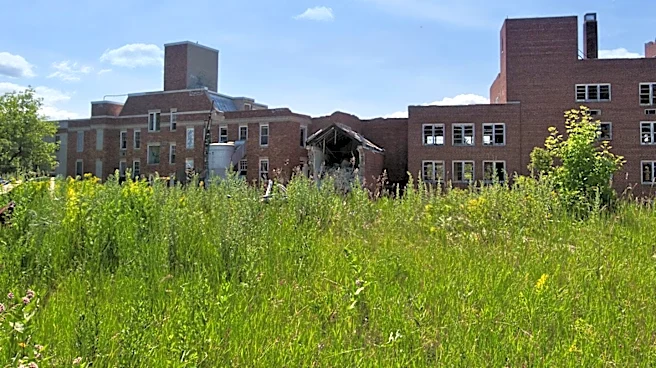
the city faces a growing issue with empty lots, which have increased by 17% over the past decade. These lots often become sites for illegal dumping and crime, posing challenges for community development and property values.
Why It's Important?
The reduction of vacant homes is a positive step for Baltimore, potentially improving neighborhood aesthetics and safety. However, the increase in empty lots presents a new set of challenges that could undermine these gains. Addressing these lots is crucial for sustainable urban development and community revitalization. The situation highlights the need for comprehensive urban planning and investment in infrastructure to support long-term growth and stability in Baltimore.
What's Next?
City officials are expected to develop strategies to manage and repurpose empty lots, possibly drawing on successful models from other cities like Detroit and Cleveland. Community involvement and innovative solutions, such as urban gardens and public spaces, may play a role in these efforts. The city may also need to secure additional funding and legislative support to implement effective solutions.