






What's Happening?
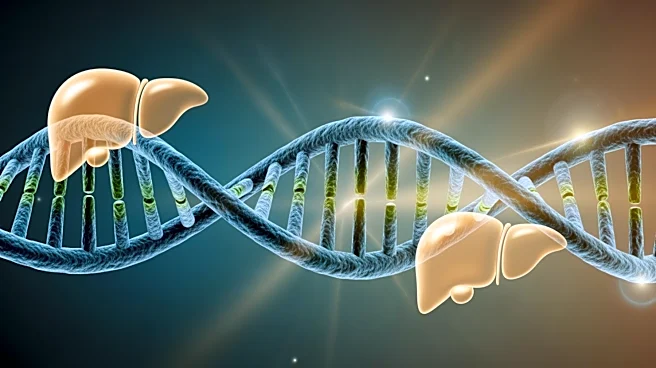
Recent research has shed light on the role of epigenetic modifications in the development of metabolic dysfunction-associated steatotic liver disease (MASLD). The study focuses on how changes in DNA methylation, histone modification, and non-coding RNAs
within hepatocytes contribute to the disease's progression. Hepatocytes, the primary functional units of the liver, undergo epigenetic changes that affect gene expression related to lipid metabolism, inflammation, and oxidative stress. These modifications are influenced by environmental factors such as diet and lifestyle, which can turn genes on or off, thereby promoting MASLD. The research highlights the potential of targeting these epigenetic changes for diagnostic and therapeutic purposes, emphasizing the need for further exploration of these mechanisms.
Why It's Important?
Understanding the epigenetic mechanisms underlying MASLD is crucial as it opens new avenues for treatment and prevention. The disease is linked to obesity and type 2 diabetes, conditions that are prevalent in the U.S. and contribute significantly to healthcare costs. By identifying specific epigenetic markers and pathways, researchers can develop targeted therapies that could mitigate the disease's impact. This approach could lead to more personalized medicine, improving outcomes for patients with liver disease. Additionally, the study underscores the importance of lifestyle and dietary interventions in managing and potentially reversing epigenetic changes associated with MASLD.
What's Next?
Future research is expected to focus on validating these findings in clinical settings and exploring the therapeutic potential of targeting epigenetic modifications. This includes developing drugs that can specifically alter DNA methylation or histone modifications in hepatocytes. Researchers may also investigate the role of non-coding RNAs in greater detail to understand their contribution to MASLD. As the understanding of these mechanisms deepens, it could lead to the development of new diagnostic tools and treatments, potentially reducing the burden of liver disease in the U.S.
Beyond the Headlines
The study highlights the complex interplay between genetics, environment, and lifestyle in the development of liver disease. It raises ethical considerations about genetic testing and the potential for personalized medicine. There is also a cultural dimension, as dietary habits and lifestyle choices are deeply ingrained in society. Addressing these factors requires a multidisciplinary approach, involving healthcare providers, policymakers, and community leaders to promote healthier lifestyles and reduce the incidence of MASLD.