

What's Happening?
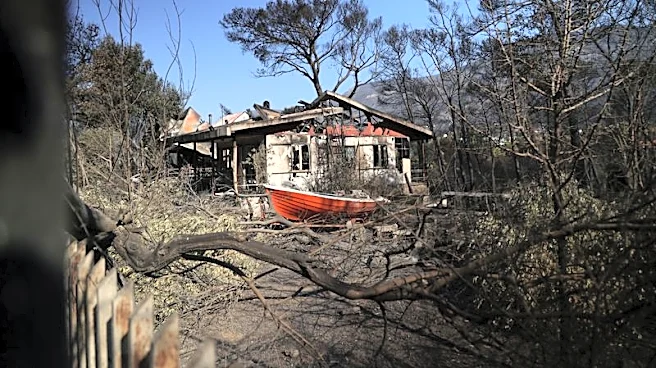
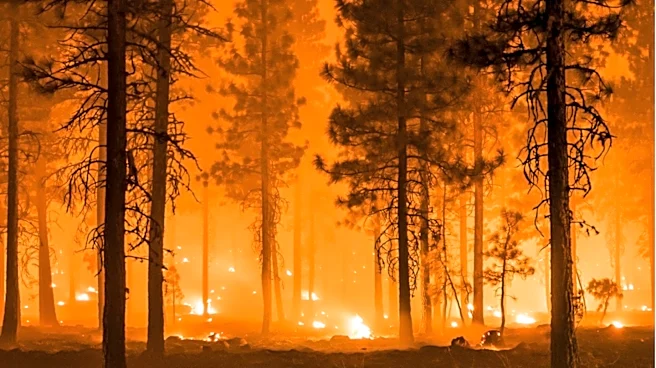
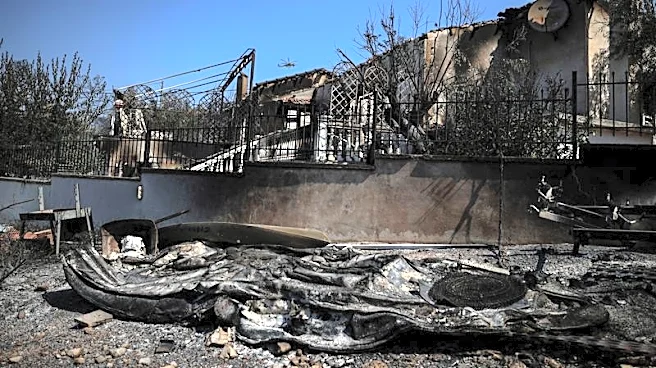
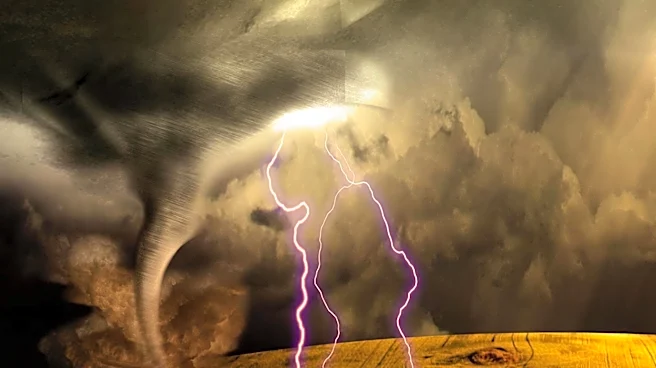
Europe is experiencing an unprecedented wave of fire tornadoes, a phenomenon where intense heat and wind create spinning columns of flames and smoke. This development is linked to the continent's record-breaking hot and dry summer, which has fueled major
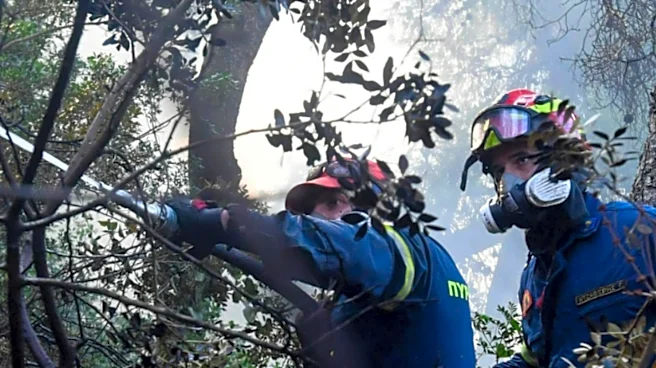
wildfires in countries like France and Greece. Fire tornadoes, or fire whirls, are formed when air is drawn into a fire from different directions, often intensified by local topography and vegetation. These events pose significant challenges to firefighting efforts, as they can rapidly change direction and spread fires unpredictably.
Why It's Important?
The emergence of fire tornadoes in Europe highlights the increasing severity of wildfires driven by climate change. These phenomena not only complicate firefighting efforts but also pose significant risks to communities and ecosystems. The ability of fire whirls to throw burning debris ahead of the flames can lead to rapid fire spread, endangering lives and property. This situation underscores the urgent need for enhanced wildfire management strategies and climate adaptation measures. As climate conditions become more favorable for extreme fires, understanding and mitigating the risks associated with fire tornadoes will be crucial for European countries.
Beyond the Headlines
The occurrence of fire tornadoes reflects broader shifts in wildfire behavior due to climate change. As global temperatures rise, the frequency and intensity of wildfires are expected to increase, posing challenges for emergency services and policymakers. The phenomenon also raises questions about the resilience of infrastructure and communities in fire-prone areas. Addressing these challenges will require a combination of scientific research, policy interventions, and community engagement to develop effective strategies for wildfire prevention and response.