






What's Happening?
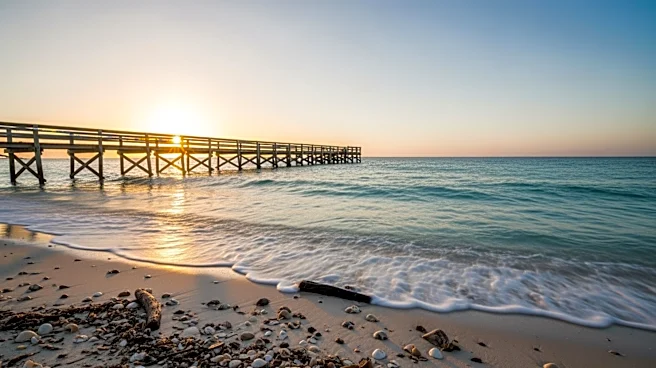
The Robert Rauschenberg Foundation has sold a 22-acre property on Captiva Island, Florida, for $45 million to South Seas, a resort company. This property, which includes Rauschenberg's first house on the island, an art studio, and several cottages, was
sold due to the Foundation's inability to afford necessary environmental safeguards against hurricanes, shoreline erosion, and rising sea levels. The sale has angered local residents and organizations, such as the Captiva Civic Association (CCA), who view the transaction as a betrayal of Rauschenberg's legacy and a threat to the island's sustainability. The Foundation had previously operated the Rauschenberg Residency on the site, which will now end. Local groups had hoped to preserve the land from development, fearing that new construction could harm the environment and complicate evacuations during climate emergencies.
Why It's Important?
The sale of the Captiva property highlights tensions between development and environmental preservation, particularly in areas vulnerable to climate change. For the local community, the transaction represents a loss of cultural heritage and a potential environmental threat. The decision by the Rauschenberg Foundation underscores the financial challenges faced by organizations in maintaining properties with significant environmental risks. The sale could set a precedent for how similar properties are managed in the future, balancing financial viability with environmental and cultural responsibilities. The local backlash also reflects broader societal concerns about overdevelopment and its impact on community identity and ecological health.
What's Next?
The Captiva Civic Association and other local stakeholders are likely to continue their efforts to prevent overdevelopment on the island. This may include legal actions, as several lawsuits are already pending against South Seas' development plans. The resort company has yet to disclose its specific plans for the property, but it has expressed intentions to honor Rauschenberg's legacy through art-related programming. The outcome of these developments will be closely watched by both the local community and the broader art world, as they could influence future decisions regarding the preservation of artist legacies and environmentally sensitive areas.
Beyond the Headlines
The sale raises questions about the ethical responsibilities of foundations managing artist legacies, particularly when financial constraints conflict with the preservation of cultural and environmental values. The decision to sell the property may prompt discussions about alternative funding models for maintaining such sites. Additionally, the situation highlights the challenges faced by communities in balancing economic development with environmental stewardship, a dilemma that is increasingly relevant in the context of climate change.