



What's Happening?
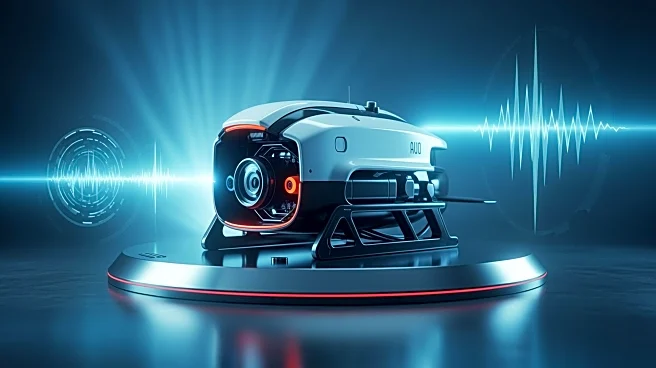
Cellula Robotics USA Inc. has announced its involvement in delivering a long-endurance Autonomous Underwater Vehicle (AUV) as part of the Combat Autonomous Maritime Platform (CAMP) initiative, under a contract awarded by the Defense Innovation Unit (DIU).
The AUV, powered by a fuel cell, is designed for extended missions and payload deployment. This project is part of a broader effort to enhance the U.S. military's maritime capabilities through advanced robotics. Cellula Robotics is collaborating with Schilling Robotics, leveraging over 40 years of experience in subsea robotics to fulfill this contract.
Why It's Important?
This development is crucial for the U.S. defense sector as it represents a significant step in integrating advanced autonomous technologies into military operations. The AUV's capabilities could enhance surveillance, reconnaissance, and operational efficiency in maritime environments, providing strategic advantages. The collaboration between Cellula Robotics and Schilling Robotics underscores the importance of partnerships in advancing defense technologies. This initiative could lead to increased investment in autonomous systems, influencing defense strategies and procurement policies.
What's Next?
The successful delivery and deployment of the AUV could pave the way for further contracts and collaborations in the defense sector. As the U.S. military continues to prioritize technological innovation, there may be increased focus on developing and integrating autonomous systems across various platforms. This could lead to policy discussions on the ethical and operational implications of autonomous military technologies, as well as potential regulatory changes to accommodate these advancements.
Beyond the Headlines
The integration of autonomous systems in defense raises important ethical and legal considerations, particularly regarding decision-making in combat scenarios. As these technologies become more prevalent, there will be a need for clear guidelines and international agreements to govern their use. Additionally, the shift towards automation could impact the defense workforce, necessitating new skills and training programs to support these advanced systems.