



What's Happening?
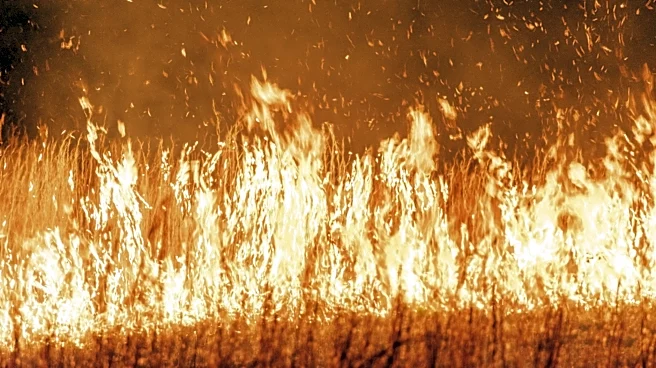
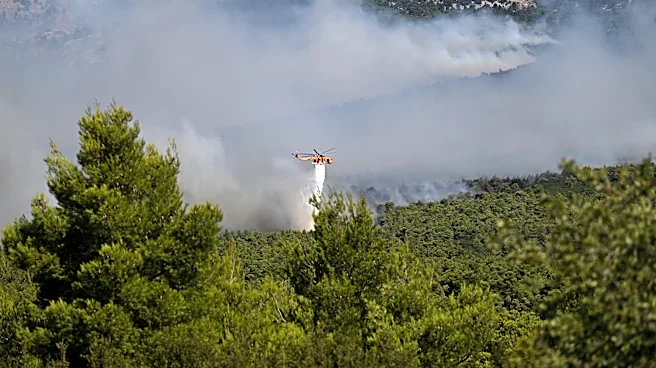
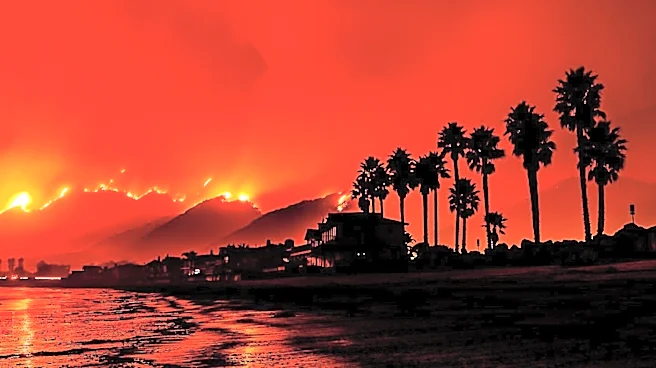
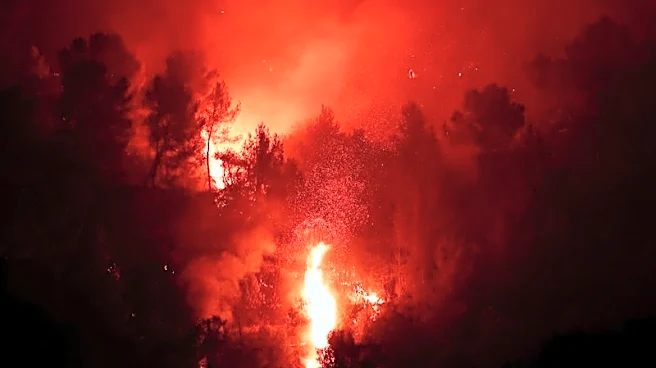
Spain is facing severe economic challenges due to devastating wildfires that have ravaged large areas of the country. According to the European Commission, the economic impact of these wildfires in 2022 was approximately €7.1 billion, affecting around
4.5% of Spain's GDP. The fires have not only caused direct costs related to firefighting but have also disrupted local economies and trade, particularly impacting the tourism sector, which is a significant part of Spain's economy. The wildfires have led to a decline in economic growth in affected regions, with growth rates falling by up to 0.18%. The situation is exacerbated by a reduction in investment in wildfire prevention, which has decreased significantly over the years.
Why It's Important?
The economic repercussions of Spain's wildfires are profound, particularly given the country's reliance on tourism. The loss of tourism revenue, coupled with the costs of firefighting and recovery, poses a substantial threat to Spain's economic stability. The situation underscores the need for increased investment in wildfire prevention as a cost-effective strategy to mitigate future economic losses. The wildfires also highlight broader environmental and economic challenges faced by countries in southern Europe, where climate change is exacerbating the frequency and intensity of such disasters.
What's Next?
Spain may need to reassess its approach to wildfire management, potentially increasing investment in prevention measures to reduce future economic impacts. This could involve strategies such as removing combustible materials from forests and enhancing early detection systems. The government and stakeholders will likely engage in discussions on balancing immediate firefighting needs with long-term prevention strategies. The outcome of these discussions could influence policy changes and budget allocations in the coming years.
Beyond the Headlines
The wildfires in Spain also raise concerns about the long-term environmental impact, including loss of biodiversity and soil erosion. These environmental changes could have lasting effects on the country's agricultural productivity and natural landscapes. Additionally, the increase in respiratory illnesses due to wildfire smoke presents a public health challenge that may require attention from healthcare policymakers.