





What's Happening?
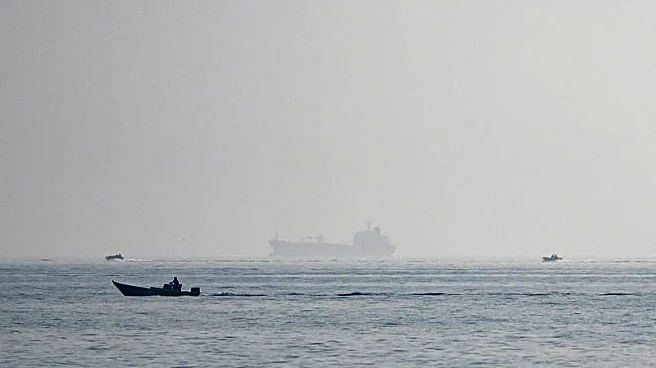
Syria has become a pivotal route for transporting Iraqi fuel to Europe, with 2.1 million tonnes moved since April. This development comes as Iraq seeks alternative export routes due to Iran's blockade of the Strait of Hormuz. The number of lorries transporting fuel through
Syria has increased significantly, from 10 to 1,000 daily. The fuel is unloaded at Baniyas on Syria's Mediterranean coast and then shipped to European ports. This shift is part of a broader strategy to enhance Iraq's export capabilities, including plans to revive the Kirkuk-Baniyas pipeline, which was recently agreed upon in Washington. The pipeline project, involving major companies like Chevron and TotalEnergies, aims to increase Iraq's export capacity significantly.
Why It's Important?
This development underscores Syria's emerging role as a critical energy transit hub in the Middle East, potentially altering regional energy dynamics. For Iraq, finding alternative routes is crucial to maintaining its oil export levels amid geopolitical tensions. The involvement of major international companies in the pipeline project highlights the strategic importance of this route. For Europe, this could mean a more stable supply of Iraqi fuel, reducing dependency on routes vulnerable to geopolitical disruptions. The U.S. involvement in brokering these agreements indicates a strategic interest in stabilizing and diversifying energy supply routes in the region.
What's Next?
The next steps involve the formalization and construction of the Kirkuk-Baniyas pipeline, expected to take 30 months. This project could significantly boost Iraq's export capacity, providing a more reliable route for its oil exports. The geopolitical implications of this development may prompt reactions from regional players like Iran, who may view this as a challenge to its influence. Additionally, the success of this project could encourage further international investment in the region's energy infrastructure.