





What's Happening?
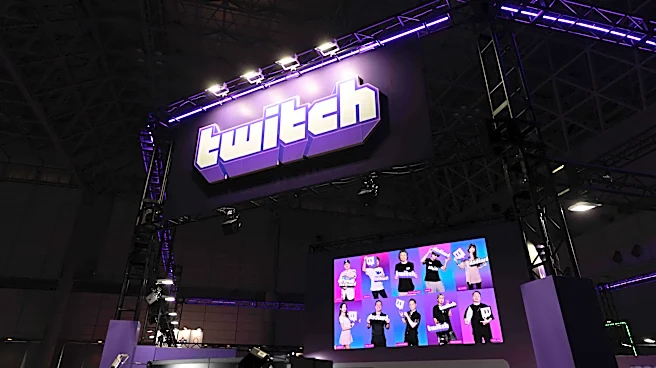
Amazon Ads and Twitch, in collaboration with Movember, Minds Support Network, and GamerCounsel, have launched the 'Squad Support' initiative. This program aims to integrate mental health support within the gaming community, particularly targeting young
men aged 16-34. The campaign utilizes Twitch's interactive platform and features four Australian Twitch creators—Bajo, Crayator, Jack Buzza, and Midbeast—who promote the initiative through livestreams and social channels. The core idea is to reframe the common gaming phrase 'Git Gud' into 'U GUD?', encouraging gamers to check in on each other's well-being. Participants can sign up for free, private gaming sessions with qualified support professionals via Discord, either individually or in small groups. The campaign has allocated 500 participant hours for these sessions, which include triage and safeguarding measures. This approach seeks to make mental health conversations more accessible by meeting young men in an environment where they already feel comfortable and connected.
Why It's Important?
This initiative is significant because it addresses a demographic often difficult to reach through traditional mental health campaigns: young men. By leveraging the established communities and interactive nature of Twitch, Amazon Ads and Movember are attempting to normalize discussions around mental health within a familiar and engaging context. The campaign's use of gaming slang like 'U GUD?' is a creative attempt to bridge the gap between gaming culture and serious health topics, making the subject less intimidating. If successful, this model could provide a blueprint for future public health campaigns seeking to engage specific, often insular, communities. It highlights the growing recognition of online platforms, particularly gaming, as vital spaces for social interaction and, consequently, for addressing social and health issues. The program's focus on providing actual support sessions, rather than just awareness, offers a tangible next step for individuals seeking help.
What's Next?
The 'Squad Support' campaign is running throughout November, with free sessions available to registered participants. While the initial phase focuses on Australian gamers, the success and learnings from this pilot could influence future expansions or similar initiatives in other regions, including the U.S. The campaign will continue to utilize Twitch features such as custom 'U GUD?' channel emotes, interactive polls, and the 'Stream Together' feature, allowing Movember experts to join livestreams. Beyond the free sessions, the Minds Support Network's regular services will remain available. The long-term impact will depend on the program's ability to translate initial engagement into sustained mental health awareness and support-seeking behaviors within the gaming community. Marketers and public health organizations will likely be observing the effectiveness of this integrated approach to community engagement and health promotion.
Beyond the Headlines
The 'Squad Support' campaign delves into the deeper implications of digital community building and its potential for social good. It challenges the traditional perception of online gaming as merely entertainment, highlighting its role as a significant social space where meaningful connections are forged. The initiative also underscores the ethical responsibility of large tech platforms like Twitch and Amazon to contribute to societal well-being, especially when their user base includes vulnerable demographics. By integrating mental health support directly into the gaming experience, the campaign implicitly acknowledges the unique communication styles and social dynamics within these online communities. This could lead to a broader shift in how public health messages are designed and delivered, moving away from generic PSAs towards highly contextualized and community-specific interventions. The campaign also raises questions about the measurement of success in such initiatives, emphasizing the need to track actual outcomes beyond mere awareness or participation rates.