









What's Happening?
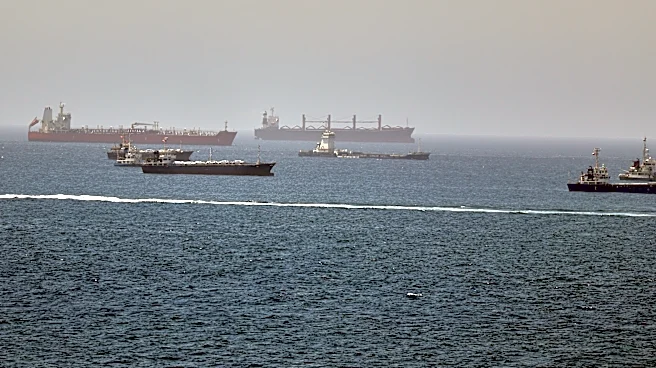
Middle East oil and liquefied natural gas (LNG) exports are proceeding despite recent attacks on vessels in the Strait of Hormuz and renewed military strikes between the U.S. and Iran. The region, which supplies a third of the world's oil, has seen a surge
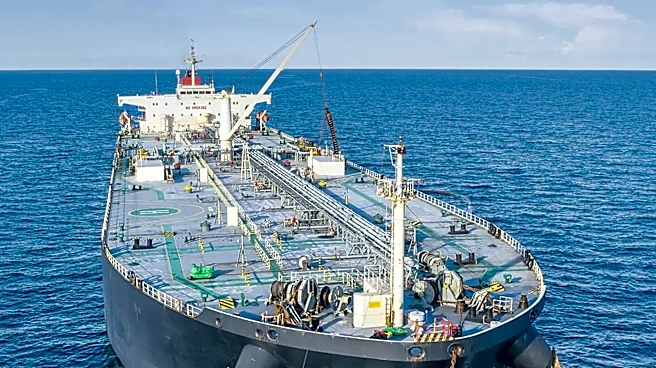
in exports, contributing to a decline in global oil prices. Recent hostilities have strained the interim peace deal between Washington and Tehran, but a U.S. official announced that both countries have agreed to halt recent hostilities and renew talks. Iran has accelerated its oil loadings following a temporary waiver of U.S. sanctions on its exports. Meanwhile, Saudi Arabia and other Gulf countries continue to load and export oil and LNG, with several Very Large Crude Carriers (VLCCs) and LNG tankers navigating the strait.
Why It's Important?
The continuation of oil and LNG exports from the Middle East is significant for global energy markets, as the region is a major supplier. The recent increase in exports has led to a decrease in global oil prices, impacting economies worldwide. The situation highlights the geopolitical tensions in the region, particularly between the U.S. and Iran, which can influence global energy security and economic stability. The ability of Middle Eastern countries to maintain export levels despite regional conflicts underscores their strategic importance in the global energy supply chain. The temporary waiver of sanctions on Iranian oil exports also indicates a potential shift in U.S. foreign policy towards Iran.
What's Next?
Future developments will likely focus on the ongoing negotiations between the U.S. and Iran regarding the Strait of Hormuz. The outcome of these talks could influence the stability of oil and LNG exports from the region. Additionally, any escalation in regional conflicts could disrupt energy supplies and further impact global oil prices. Stakeholders, including international energy companies and governments, will be closely monitoring the situation to assess risks and adjust their strategies accordingly.