







What's Happening?
A new energy fairness survey by Consumer Reports indicates that a significant majority of American households are experiencing increased electricity bills, leading to financial strain. The survey, released on Wednesday, found that 81% of respondents who
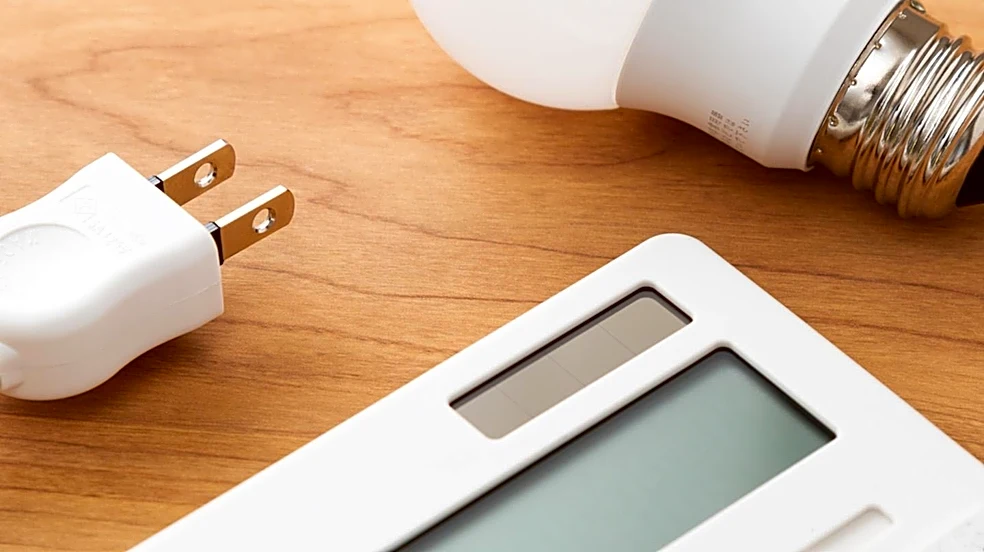
have lived in the same home for the past three years reported higher electricity costs. Of these, 40% saw increases between 20% and 49%, while 8% experienced a rise of 50% or more. This surge in utility expenses is forcing many Americans to cut back on essential and non-essential spending, including groceries, dining out, and travel, and even to reduce heating or cooling to uncomfortable levels. The financial burden is particularly acute for households with incomes under $85,000, who are more than twice as likely to report significant financial strain. According to Consumer Reports’ Safety and Energy Senior Director Sara Enright, this is a nationwide issue affecting people across all income brackets. The U.S. Energy Information Administration reported a national average increase of 4.4% in electric industry revenues in July compared to the previous year, with states like Hawaii (+25.4%), Ohio (+15.2%), and Maryland (+14.8%) seeing the largest jumps. Many large, investor-owned utilities, serving about 70% of Americans, have increased prices by over 50% in the last five years.
Why It's Important?
The widespread increase in electricity bills has significant implications for American households and the broader economy. The necessity for consumers to reduce spending on other goods and services, such as food and travel, can lead to a slowdown in various sectors of the economy. This shift in consumer behavior, driven by rising utility costs, could impact retail, hospitality, and leisure industries. Furthermore, the disproportionate impact on lower-income households exacerbates existing economic inequalities, potentially pushing more families into financial precarity. The survey also highlights a growing distrust in utility companies, with nearly half of Americans believing it is unacceptable for utilities to pass all expenses to ratepayers. This sentiment could fuel calls for greater regulatory oversight and transparency in utility pricing. The perceived lack of clarity in electricity bills, with 38% of consumers finding them difficult to understand, further complicates the issue, making it harder for individuals to manage or dispute charges. The rising costs are attributed to factors like AI data centers, infrastructure upgrades, high summer temperatures, and natural gas price volatility, indicating systemic pressures on the energy grid and pricing structures.
What's Next?
In response to rising electricity costs, consumers may increasingly seek energy-efficient solutions for their homes and appliances, potentially boosting demand for such products and services. The survey indicates strong public support for utilities prioritizing energy efficiency improvements for consumers before increasing electricity production, and 87% agree that new home appliances should meet minimum energy efficiency standards. There is also significant public sentiment (84%) for creating separate rate categories for large energy users like data centers, suggesting potential future policy debates around how these high-consumption entities contribute to infrastructure costs. This could lead to legislative efforts to re-evaluate utility rate structures and cost allocation. Additionally, the public's desire for more renewable energy sources (36% prioritize this) over nonrenewable sources (9%) could influence future energy policy and investment decisions, pushing for a faster transition to sustainable energy. Utility companies may face increased pressure from regulators and consumer advocacy groups to justify price increases and improve bill transparency. The ongoing geopolitical conflicts and their impact on global fuel prices will likely continue to contribute to electricity cost volatility, making long-term price stability a challenge.
Beyond the Headlines
The issue of rising electricity bills extends beyond immediate financial strain, touching upon broader themes of economic equity, infrastructure resilience, and the societal impact of technological advancements. The rapid growth of AI data centers, identified as a significant driver of increased electricity demand, presents a complex challenge: balancing technological progress with its environmental and economic costs. The public's view that data center firms should bear more of the associated infrastructure costs highlights a nascent debate about who should fund the energy demands of the digital economy. Ethically, the question arises whether essential services like electricity should be subject to market forces that can disproportionately burden vulnerable populations. Legally, there may be increased scrutiny on utility monopolies and their pricing practices, potentially leading to new regulations aimed at consumer protection and fair pricing. Culturally, the necessity for households to cut back on basic needs like heating or cooling points to a potential erosion of living standards for many Americans, challenging the notion of affordable access to modern conveniences. This situation could also accelerate the adoption of smart home technologies and energy management systems as consumers seek greater control over their energy consumption and costs.