







What's Happening?
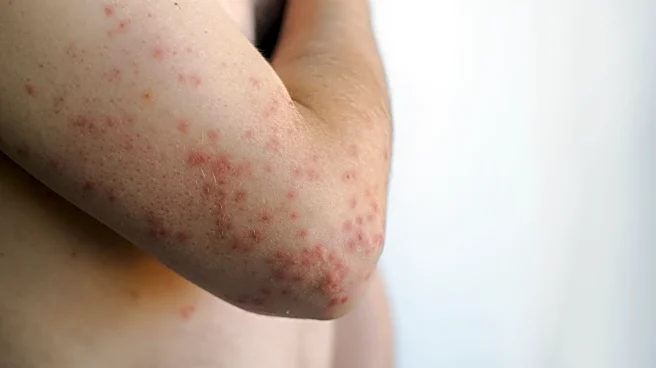
Tick-borne illnesses, such as Lyme disease, Rocky Mountain spotted fever, and alpha-gal syndrome, are experiencing a significant increase across the United States. The Centers for Disease Control and Prevention (CDC) reports that emergency room visits
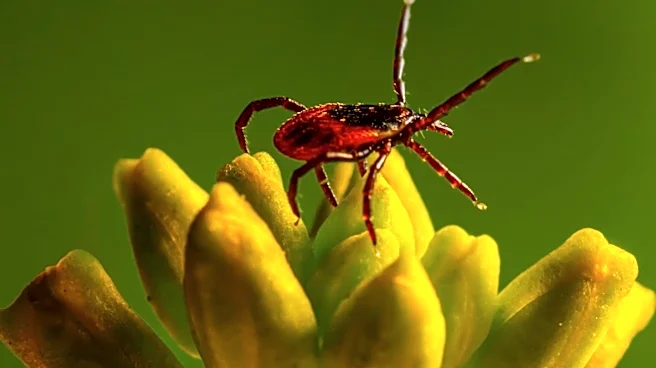
for tick bites have reached a 10-year high, and approximately 476,000 Americans are diagnosed and treated for Lyme disease annually. Alpha-gal syndrome, a severe allergy to mammalian products triggered by lone star tick bites, is also spreading rapidly, with Arkansas seeing a near doubling of suspected cases. This surge is attributed to warmer winters, changing climate conditions, and expanding tick habitats, which are pushing tick populations into new areas like the Midwest and New England. The lone star tick, known for its aggressive hunting style, is a primary vector for alpha-gal syndrome, and its spread is further aided by the rebounding white-tailed deer population, a preferred host for ticks.
Why It's Important?
The rise in tick-borne illnesses poses a substantial public health challenge across the U.S. The increasing prevalence of diseases like Lyme disease and the emerging threat of alpha-gal syndrome impact individuals' health and daily lives, leading to chronic conditions, severe allergic reactions, and even fatalities. The economic implications include increased healthcare costs for diagnosis and treatment, lost productivity due to illness, and potential impacts on outdoor recreation and related industries. The spread of alpha-gal syndrome, in particular, can drastically alter dietary habits and lifestyle choices for affected individuals, as they must meticulously avoid mammalian products in food, medications, and even personal care items. The situation highlights the interconnectedness of environmental changes, wildlife populations, and human health, underscoring the need for comprehensive public health strategies and increased research funding to combat these growing threats.
What's Next?
Efforts to address the escalating tick-borne illness crisis will likely involve a multi-faceted approach. Researchers are working to better understand these diseases, with calls for increased federal funding and coordination for alpha-gal syndrome research. Public health agencies may need to enhance tracking and reporting mechanisms for these illnesses. On the prevention front, strategies could include improved land management techniques, such as keeping tall grasses cut and brush cleared, and potentially novel treatments like insecticides applied to deer, though these raise ecological concerns. Lawmakers are also considering classifying alpha-gal as a major food allergen for labeling purposes, which would significantly aid affected individuals. Individuals are advised to continue practicing personal protective measures, including wearing permethrin-treated clothing, conducting thorough tick checks, and using reliable topical repellents.
Beyond the Headlines
The escalating tick-borne illness crisis, particularly the spread of alpha-gal syndrome, reveals deeper societal and environmental implications. The phenomenon underscores the profound impact of climate change on public health, as warmer temperatures extend tick seasons and expand their geographical range. It also highlights the complex relationship between human development and natural ecosystems; as suburban areas encroach on wooded lands, the interface between humans and tick hosts, like white-tailed deer, increases, leading to more tick encounters. The challenges in diagnosing and managing alpha-gal syndrome, often mistaken for other conditions due to its delayed and varied symptoms, expose gaps in medical awareness and public health infrastructure. Furthermore, the need for meticulous avoidance of mammalian products in food and everyday items for alpha-gal sufferers brings to light issues of food labeling, consumer protection, and the hidden animal-derived ingredients in a vast array of products, prompting a reevaluation of how ingredients are disclosed and regulated.