






What's Happening?
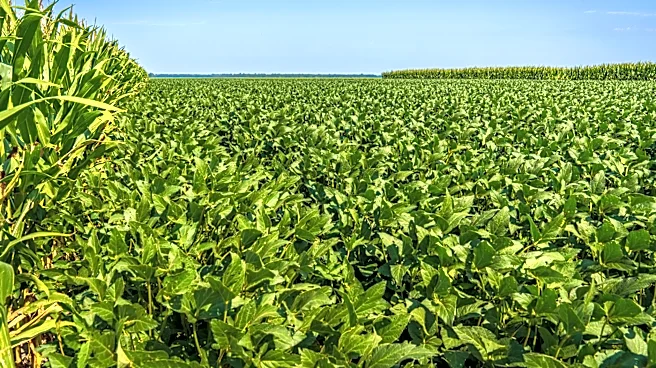
The Food and Agriculture Organization (FAO) has released a report analyzing the resilience of global food and agricultural markets to various shocks. The report, titled 'The State of Agricultural Commodity Markets 2026', highlights the increasing frequency
and intensity of disruptions such as extreme weather, socioeconomic crises, and conflicts. It emphasizes the importance of international trade and cooperation in mitigating these impacts. The report notes that fewer export restrictions during the COVID-19 pandemic helped limit the impact on global food trade, affecting only 8% of traded calories compared to 16% during the 2007-08 crisis.
Why It's Important?
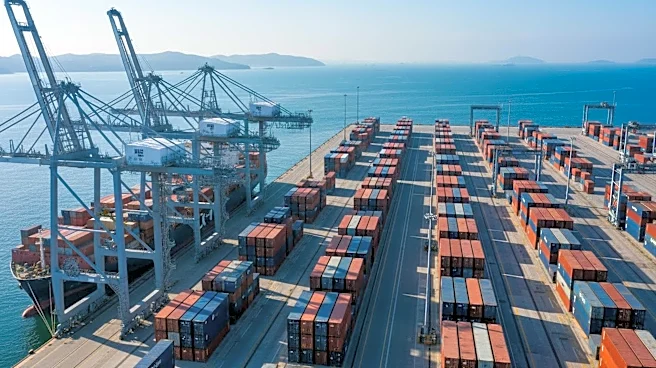
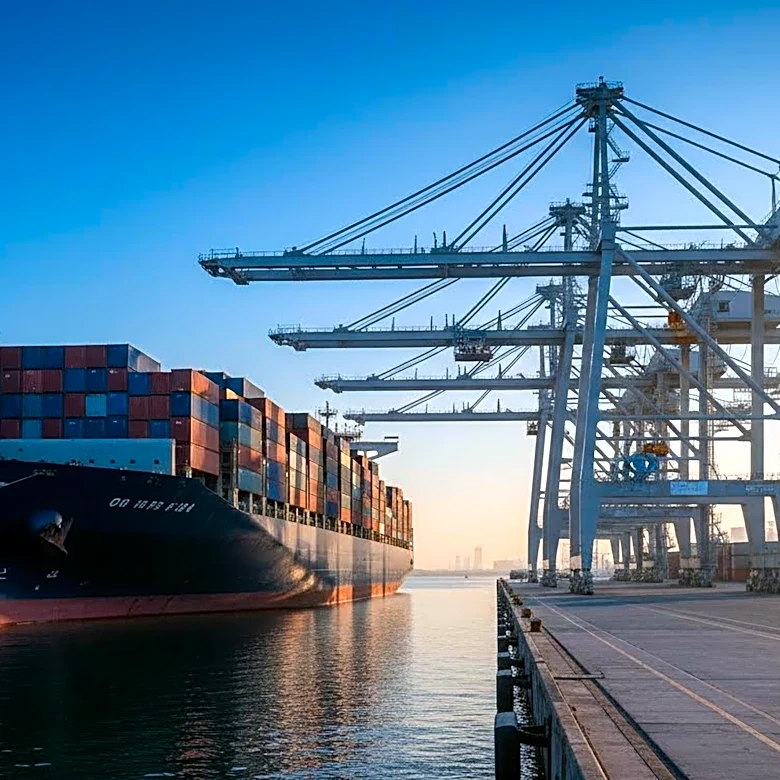
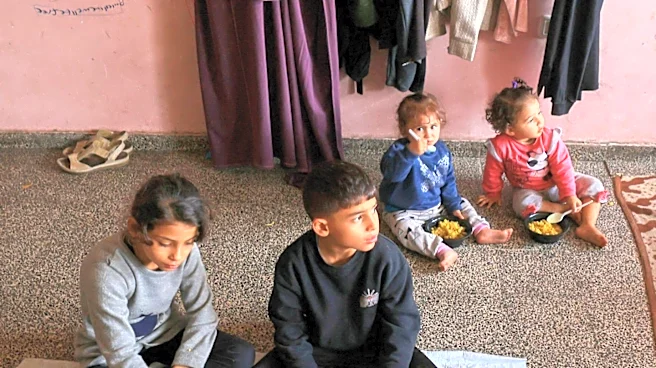
The report underscores the critical role of international trade in stabilizing food markets and addressing hunger during crises. It highlights how well-coordinated trade policies can prevent food insecurity and market instability. The findings are particularly relevant for low-income countries that rely heavily on food imports. The report suggests that maintaining open trade networks and reducing export restrictions can enhance market resilience and prevent food price spikes, which are detrimental to global food security.
What's Next?
The FAO calls for stronger international cooperation and policy coordination to enhance the resilience of food markets. The report suggests that countries should focus on building integrated trade networks and trust in the multilateral trading system. It also recommends maintaining smaller emergency food reserves as part of social protection safety nets to address food insecurity without distorting markets. As geopolitical tensions and climate extremes continue to pressure global food markets, these strategies are essential for ensuring food security and market stability.