



What's Happening?
The U.S. Small Business Administration (SBA) has launched the Fraud Whistleblower Incentive Program (WHIP), following an announcement by President Trump. This program encourages the public, federal employees, lenders, and small business owners to report
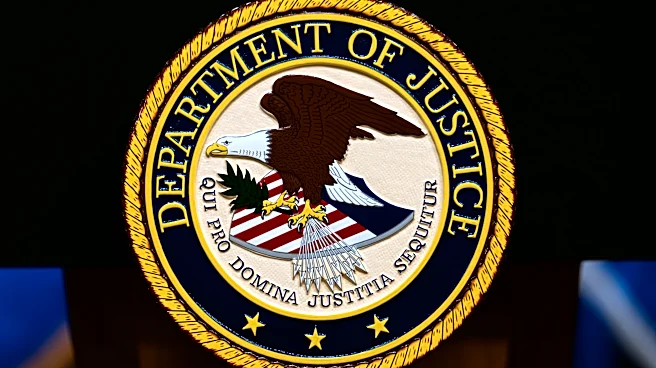
suspected SBA loan and grant fraud through a new centralized federal portal at america.gov/fraud. SBA Administrator Kelly Loeffler stated that the Trump SBA has been focused on addressing an estimated $200 billion in potential Paycheck Protection Program (PPP) and COVID-EIDL fraud identified during the Biden Administration. The SBA has already exposed approximately $122 billion in suspected pandemic-era fraud through referrals to federal partners and has suspended about 1 million borrowers tied to $50 billion in suspected fraud from future SBA lending and federal contracting programs. The WHIP, administered by the U.S. Department of Justice’s National Fraud Enforcement Division, offers cash rewards to qualifying whistleblowers whose information leads to successful federal enforcement actions or criminal charges.
Why It's Important?
This initiative is crucial for recovering taxpayer money lost to fraudulent activities during the pandemic and for restoring integrity to federal aid programs. The estimated $200 billion in potential fraud represents a significant misuse of public funds intended to support businesses and individuals during a national crisis. By incentivizing whistleblowers, the SBA aims to leverage public vigilance to uncover hidden fraud that might otherwise go undetected. This program could lead to a substantial increase in reported cases and subsequent prosecutions, holding accountable those who exploited emergency relief efforts. For small businesses and the economy, reducing fraud ensures that resources are directed to legitimate recipients, fostering a fairer and more trustworthy environment for federal assistance programs. It also sends a strong message that fraudulent behavior will be actively pursued and penalized.
What's Next?
The SBA expects an increase in fraud reports through the new america.gov/fraud portal. The Department of Justice will be responsible for investigating these tips and determining eligibility for whistleblower rewards. The program's success will depend on the public's willingness to come forward and the effectiveness of federal agencies in processing and acting on the reported information. This initiative is likely to continue for the foreseeable future as the SBA continues its comprehensive review of pandemic-era financial assistance programs. The focus will be on recovering funds, prosecuting offenders, and implementing measures to prevent similar large-scale fraud in future federal aid distributions. The program's impact will be measured by the amount of fraud exposed, the number of successful prosecutions, and the overall deterrence of fraudulent activities.
Beyond the Headlines
The launch of the WHIP highlights a broader societal challenge: the balance between rapid deployment of emergency aid and robust oversight to prevent fraud. The sheer scale of the estimated pandemic-era fraud underscores the vulnerabilities inherent in large-scale government programs, especially when implemented under urgent circumstances. This program also touches on the ethical responsibility of citizens to report wrongdoing, with financial incentives serving as a practical motivator. It could lead to a cultural shift where reporting fraud is not only seen as a civic duty but also as a potentially rewarding action. Furthermore, the program's emphasis on transparency and accountability could influence the design of future government relief efforts, pushing for more stringent controls and oversight mechanisms from the outset to minimize opportunities for fraud.