


What's Happening?
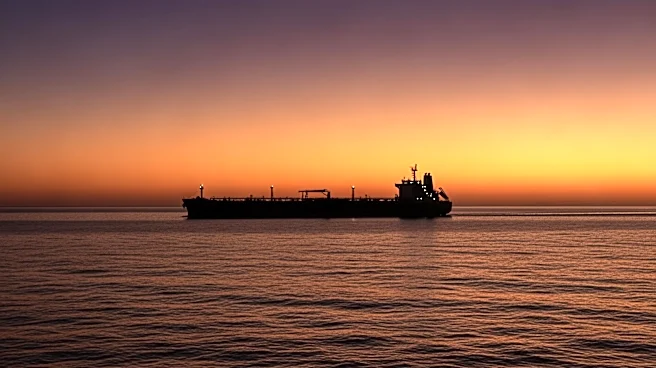
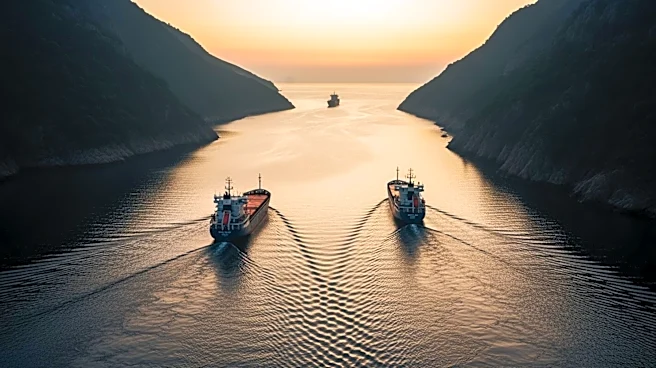
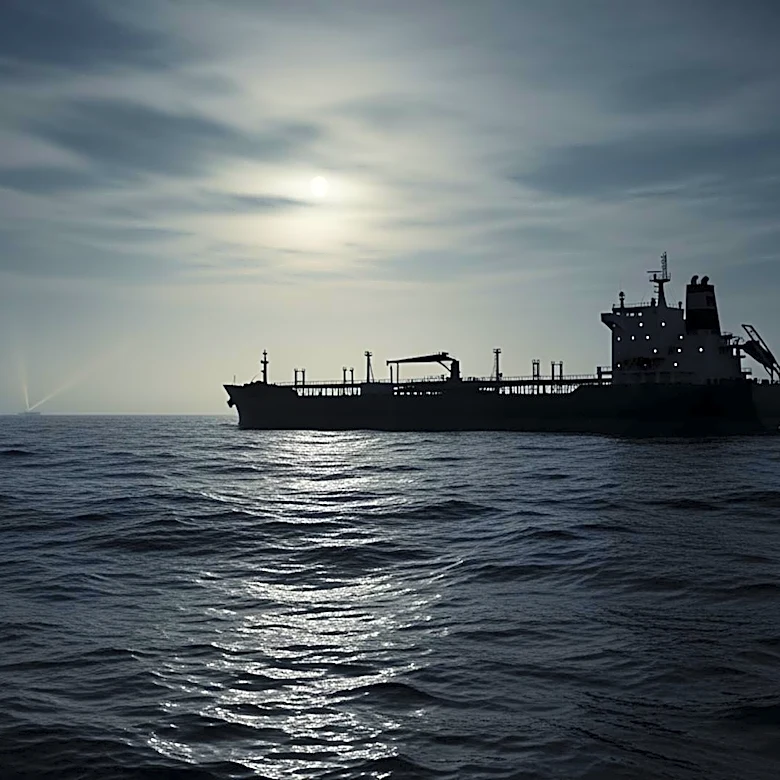
Iran's Islamic Revolutionary Guard Corps (IRGC) has announced that 28 commercial vessels, including oil tankers and container ships, have successfully transited the Strait of Hormuz in the past 24 hours. This movement was conducted under the permits and security
coordination of the IRGC Navy. Iranian military officials have mandated that all ships must adhere to routes designated by Iran and obtain authorization before passing through this strategic waterway. The announcement comes amid heightened military tensions involving the United States and Israel, prompting Iran to tighten its control over the strait. Tehran has issued warnings that it will respond to any attempts to interfere with its management of the strait. Concurrently, the United States has imposed restrictions affecting ships traveling to and from Iranian ports.
Why It's Important?
The Strait of Hormuz is a critical chokepoint for global oil transportation, with a significant portion of the world's petroleum passing through it. Iran's control and coordination of ship movements in this area are crucial for maintaining the flow of oil and other goods, impacting global energy markets and international trade. The recent tensions with the United States and Israel add a layer of complexity, as any disruption in the strait could lead to significant economic and geopolitical consequences. The U.S. restrictions on ships traveling to and from Iranian ports further complicate the situation, potentially affecting international shipping routes and trade dynamics. The safe passage of ships under Iranian coordination is a critical development in ensuring stability in this vital maritime corridor.
What's Next?
Future developments will likely focus on how Iran continues to manage the Strait of Hormuz amid ongoing tensions. The international community, particularly countries reliant on oil imports through this route, will be closely monitoring the situation. Potential diplomatic engagements or negotiations may arise to address the underlying tensions and ensure the continued safe passage of vessels. Additionally, any further actions by the United States, such as increased sanctions or military presence, could influence Iran's strategy and the overall security of the strait. Stakeholders in the global shipping and energy sectors will need to remain vigilant and adaptable to any changes in the geopolitical landscape affecting this critical waterway.