





What's Happening?
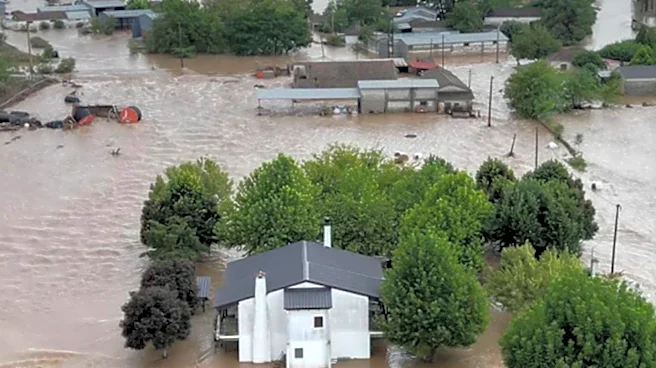
Flash floods and landslides, triggered by days of heavy rainfall, have impacted eight areas in Indonesia's Aceh province. The disasters have resulted in one fatality, a 2-year-old girl buried by a landslide in Central Aceh, and have affected thousands
of residents, forcing hundreds to evacuate. According to the Aceh Disaster Management Agency, seven regencies—Aceh Tamiang, Gayo Lues, Southeast Aceh, Central Aceh, West Aceh, Southwest Aceh, and North Aceh—along with Subulussalam city, have been impacted. Aceh Tamiang is among the hardest-hit areas, with over 15,000 residents affected by flooding. In Subulussalam, 7,703 people were affected, and 278 were forced to evacuate. The floods and landslides have also caused significant damage to roads, houses, and farmland across the affected regions. In response, the National Disaster Management Agency is preparing weather modification operations to reduce rainfall intensity in Aceh and the neighboring North Sumatra province.
Why It's Important?
The widespread flooding and landslides in Aceh highlight the severe vulnerability of Indonesian communities to extreme weather events, which are becoming more frequent and intense. The displacement of thousands of people underscores the immediate humanitarian crisis, including the need for shelter, food, and medical aid. The damage to infrastructure, such as roads and homes, will have long-term economic consequences for the affected regions, disrupting livelihoods and requiring substantial resources for recovery and reconstruction. The fatality of a child emphasizes the tragic human cost of these disasters, particularly on vulnerable populations. Furthermore, the planned weather modification operations by the National Disaster Management Agency indicate a proactive, albeit experimental, approach to mitigating the impact of heavy rainfall, reflecting the urgency and scale of the environmental challenges faced by the country.
What's Next?
In the immediate future, rescue and relief efforts will continue to focus on assisting the displaced populations, providing emergency shelter, food, and medical supplies. The National Disaster Management Agency's planned weather modification operations will be implemented to attempt to reduce rainfall intensity in Aceh and North Sumatra, aiming to prevent further escalation of the flooding. Authorities will also assess the full extent of the damage to infrastructure and agricultural land to begin planning for long-term recovery and reconstruction efforts. This will likely involve mobilizing resources for rebuilding homes, repairing roads, and supporting affected farmers. Monitoring weather patterns will remain crucial, as continued heavy rainfall could exacerbate the current situation and trigger additional landslides and floods, necessitating ongoing emergency responses and preparedness measures.
Beyond the Headlines
The recurring nature of such natural disasters in Indonesia points to deeper issues related to climate change, environmental degradation, and urban planning. The vulnerability of communities in Aceh, a region prone to both seismic activity and extreme weather, underscores the need for more resilient infrastructure and comprehensive disaster preparedness strategies. The reliance on weather modification technology, while potentially offering short-term relief, also raises questions about its long-term effectiveness, environmental impact, and ethical considerations. This event may prompt further discussions on sustainable land use practices, early warning systems, and the allocation of resources for climate adaptation in vulnerable regions. The displacement and loss experienced by thousands could also lead to increased internal migration and social disruption, highlighting the broader societal challenges posed by a changing climate.