








What's Happening?
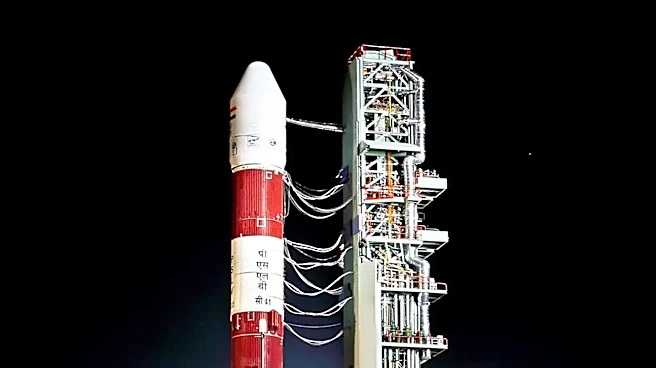
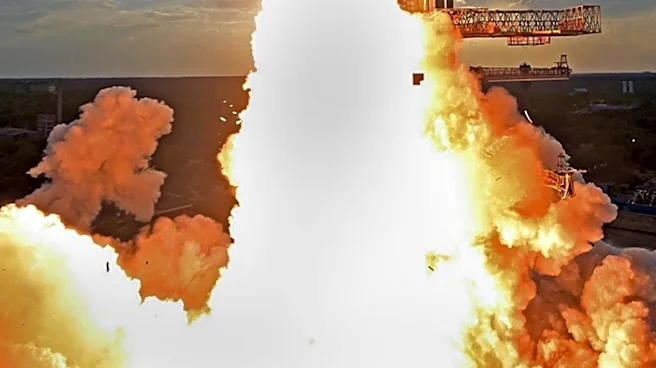
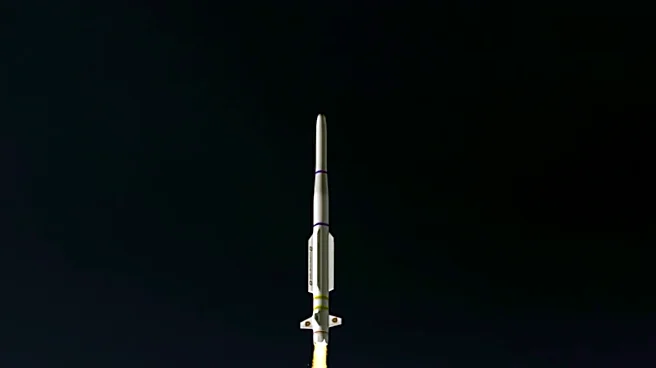
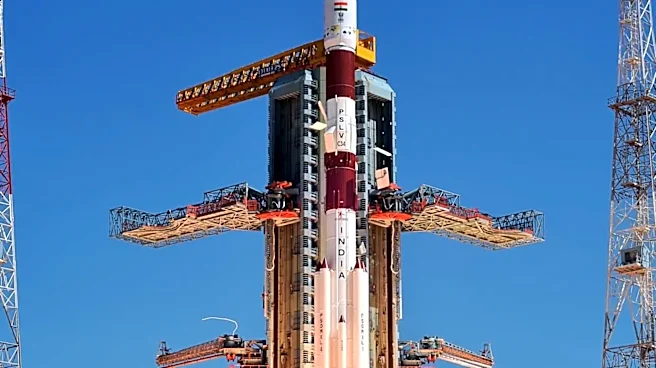
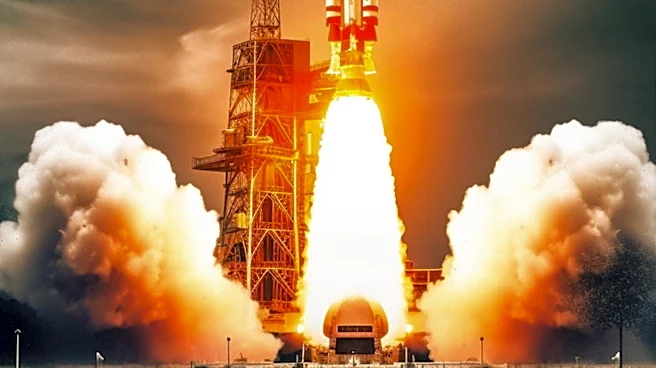
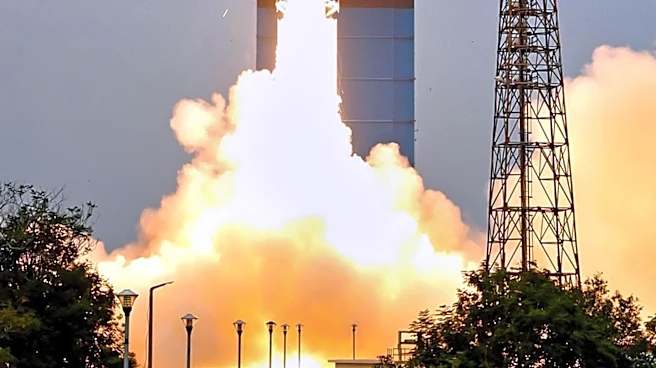
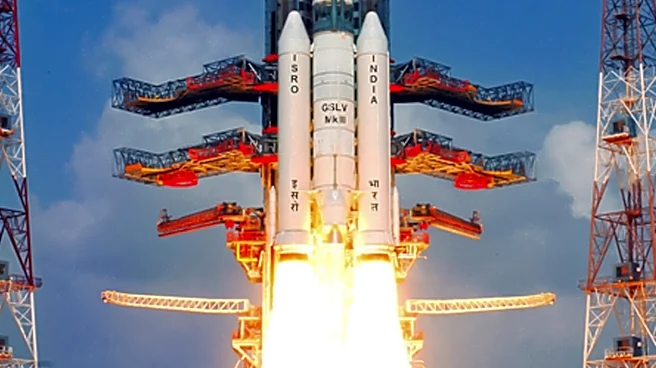
On July 18, 2026, Skyroot Aerospace launched Vikram-1, India's first privately developed rocket to reach orbit, from the Satish Dhawan Space Centre. The mission, named Aagaman, successfully placed its payloads into a 450-kilometer low Earth orbit. This
launch signifies a major shift in India's space industry, traditionally dominated by state-run operations. The Vikram-1 rocket, designed for small satellite deployment, represents a new model of private sector involvement in space exploration, facilitated by recent government reforms. The mission included payloads from various international and domestic partners, showcasing India's growing role in the global space market.
Why It's Important?
The Vikram-1 launch is a landmark achievement for India's private space sector, demonstrating the country's ability to develop and launch orbital rockets independently. This success is expected to attract further investment into India's burgeoning space industry, which is already valued at billions of dollars. By achieving this milestone, India joins the ranks of countries like the United States and China, which have established private space capabilities. The development is likely to enhance India's competitiveness in the global space market, offering new opportunities for collaboration and innovation in satellite technology and space exploration.
What's Next?
Skyroot Aerospace plans to conduct additional launches of the Vikram-1 rocket, with the goal of establishing a regular launch schedule to meet the demands of the small satellite market. The company is also working on developing a larger rocket, Vikram-2, to increase its payload capacity. The Indian government is expected to continue supporting private space initiatives through policy reforms and infrastructure development. As the private space sector grows, India is poised to become a significant player in the global space economy, providing new opportunities for technological advancement and economic growth.