





What's Happening?
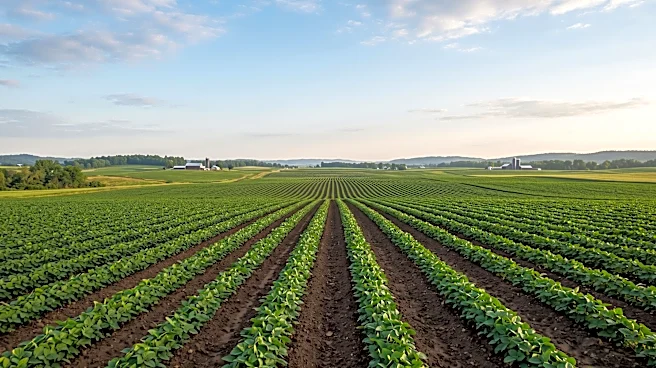
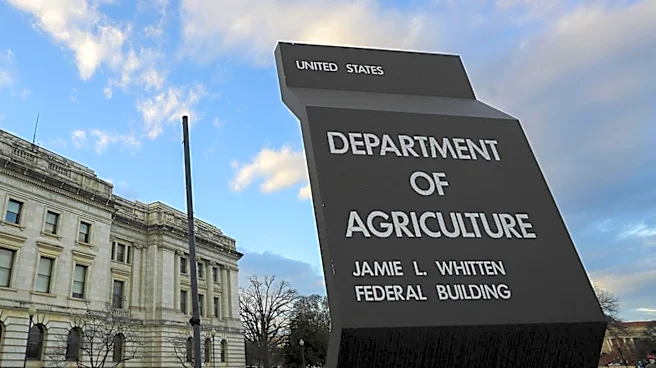
The Commodity Futures Trading Commission (CFTC) and the U.S. Department of Agriculture (USDA) have signed a Memorandum of Understanding (MOU) aimed at protecting the integrity of American agricultural markets. This agreement, announced on November 5,
2026, seeks to enhance data sharing and improve access to risk management tools for farmers and ranchers. According to CFTC Chairman Michael S. Selig, the partnership will strengthen protections for producers and ensure markets continue to serve the agricultural community. USDA Secretary Brooke Rollins emphasized that faster and more transparent data sharing is crucial for navigating evolving markets. The MOU is expected to facilitate collaborative identification of risks and improve responses to market events, building on USDA's ongoing data modernization efforts. This initiative is part of a broader administration focus on breaking down barriers between government agencies to better serve customers.
Why It's Important?
This formal partnership is significant for the U.S. agricultural sector, which relies heavily on stable and transparent markets for risk management and future planning. By improving data sharing and coordination between the CFTC and USDA, the agreement aims to provide farmers, ranchers, and producers with more reliable information and tools to manage market uncertainties. Enhanced monitoring and identification of structural or systemic risks can help prevent market disruptions and protect the livelihoods of those in the agricultural community. The initiative also supports the broader goal of ensuring the continued functionality of agricultural markets, which are vital for the nation's food supply and economic stability. This collaboration underscores the government's commitment to supporting the agricultural sector through improved regulatory approaches and data-driven decision-making.
What's Next?
The MOU establishes a framework for ongoing cooperation between the CFTC and USDA, indicating a sustained effort to integrate their policies and practices. While specific immediate changes to existing USDA reports are not detailed, the agreement sets the stage for future enhancements in market oversight and risk management. The agencies will continue to coordinate research, statistical methods, and data systems. The long-term goal is to provide agricultural producers with more reliable federal information, which will become increasingly important for farm management, marketing decisions, and disaster preparedness. This partnership is expected to lead to more resilient and responsive agricultural markets, benefiting producers and consumers alike.