





What's Happening?
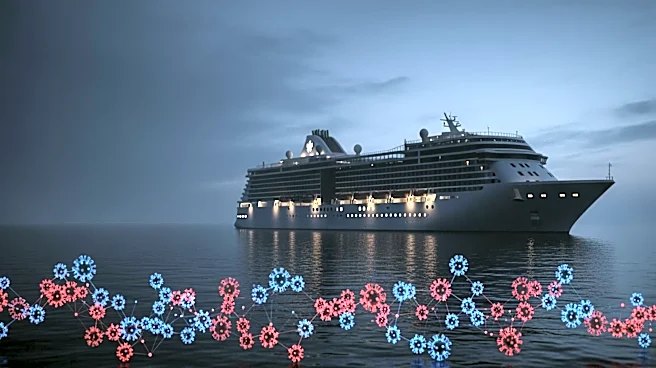
A hantavirus outbreak on the MV Hondius cruise ship has resulted in three deaths and several illnesses among passengers. The ship, which departed from Ushuaia, Argentina, was en route to the Canary Islands when the outbreak occurred. The World Health
Organization (WHO) is investigating the source of the virus and whether human-to-human transmission played a role. The ship has been denied docking at several ports due to health concerns, leaving passengers confined onboard. The virus, typically transmitted through rodent excretions, has a long incubation period, complicating efforts to trace its origin.
Why It's Important?
The outbreak highlights the challenges of managing infectious diseases in confined environments like cruise ships. It raises questions about the adequacy of current health protocols and the potential for zoonotic diseases to spread in travel settings. The situation underscores the need for robust health monitoring and rapid response strategies to prevent similar incidents. The cruise industry may face increased scrutiny and operational challenges, impacting its recovery from previous health crises.
What's Next?
Health authorities are conducting epidemiological investigations to determine the source and transmission dynamics of the virus. The ship may seek alternative docking options for medical evacuations and further testing. Public health guidelines may be updated to address the risks associated with hantavirus in travel settings. The outcome of the investigation could influence future health policies and travel advisories.