






What's Happening?
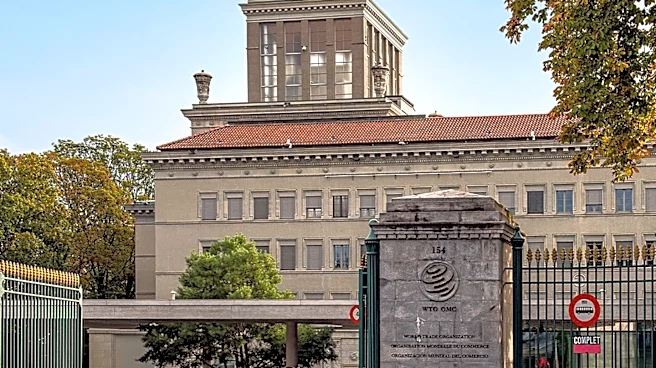
The World Trade Organization (WTO) is at the center of a growing influence battle between the BRICS nations and the United States. The BRICS group, which includes Brazil, Russia, India, China, and South Africa, along with new members like Iran and Indonesia,
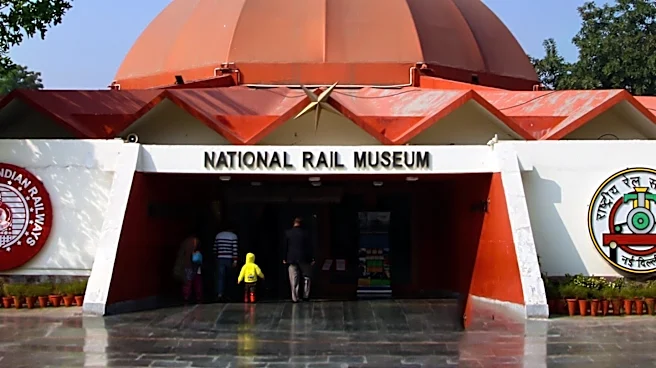
is advocating for reforms that would enhance policy space for developing countries and address issues such as dedollarization. In contrast, the United States is pushing for WTO reforms that would allow for more flexible integration of plurilateral agreements. This divergence in priorities was highlighted during the BRICS Trade Ministers Meeting in Jaipur, India, where BRICS members expressed their commitment to a multilateral trade system that supports development and food security. The U.S., however, has been criticized for undermining the WTO by not appointing judges to its Appellate Body, leading to unresolved trade disputes.
Why It's Important?
The ongoing debate over WTO reforms is significant as it reflects broader geopolitical tensions and differing economic priorities between major global players. The BRICS nations' push for reforms that favor developing countries could shift the balance of power in global trade, potentially reducing the dominance of Western economies. On the other hand, the U.S. focus on integrating plurilateral agreements could lead to a more fragmented global trade system, impacting international trade dynamics. The outcome of these reform discussions could influence global trade rules, affecting industries and economies worldwide, particularly those in developing countries that rely on favorable trade terms.
What's Next?
As the WTO faces pressure to adapt to changing global trade dynamics, the upcoming WTO Ministerial Conference in Yaoundé, Cameroon, will be a critical venue for further discussions on these reforms. Stakeholders, including political leaders and trade ministers, will need to negotiate compromises that address the concerns of both developed and developing nations. The resolution of the Appellate Body's vacancy and the establishment of a more inclusive trade system will be key issues to watch. The decisions made could have long-term implications for global trade governance and economic relations.