






What's Happening?
The Philippine Atmospheric, Geophysical and Astronomical Services Administration (PAGASA) has indicated that at least one more tropical cyclone could enter the Philippine Area of Responsibility (PAR) before the end of 2026. This potential cyclone could intensify
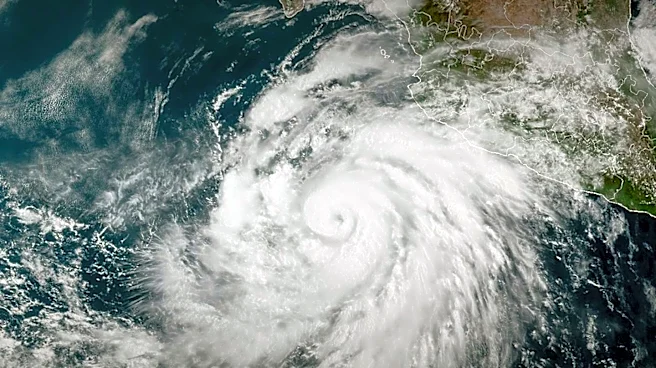
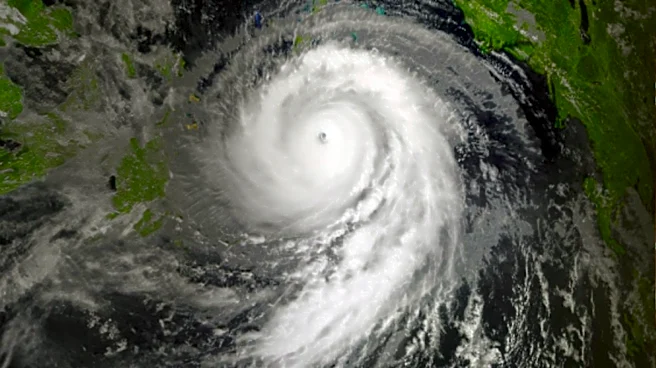
into a typhoon or super typhoon, according to PAGASA climatologist Ana Liza Solis, who spoke at a Quezon City Journalist Group Inc. (QCJI) forum on November 10. Solis noted that conditions remain favorable for tropical cyclone development, even as the year draws to a close. Historically, tropical cyclones that form under El Niño conditions tend to intensify due to warmer ocean temperatures. While a new cyclone is possible, PAGASA clarifies that its entry into PAR does not guarantee landfall in the Philippines. The weather bureau defines a typhoon as having maximum sustained winds of 118 to 184 kilometers per hour, and a super typhoon as having winds of at least 185 kph. So far in 2026, 19 tropical cyclones have entered PAR, with Typhoon Samuel (internationally known as Cempaka) being the first for November, which entered and exited PAR on November 9 without directly affecting the Philippines.
Why It's Important?
The potential for another typhoon or super typhoon before the end of 2026 carries significant implications for disaster preparedness and public safety in the Philippines. The warning from PAGASA highlights the ongoing threat of extreme weather events, even outside the typical peak typhoon season, exacerbated by El Niño conditions. Such powerful storms can cause widespread destruction, including severe flooding, landslides, damage to infrastructure, and displacement of communities. This necessitates continuous vigilance and resource allocation for emergency response and recovery efforts. For agricultural sectors, the impact could be particularly severe, leading to crop damage and food security concerns. The emphasis on El Niño's role in intensifying cyclones underscores the broader climate change challenges faced by vulnerable regions, prompting a need for enhanced climate resilience strategies and early warning systems to mitigate potential humanitarian and economic crises.
What's Next?
PAGASA will continue to monitor weather patterns closely for any signs of new tropical cyclone formation within or approaching the Philippine Area of Responsibility. The public and relevant government agencies are advised to remain vigilant and prepared for potential weather disturbances. Regular updates from PAGASA will be crucial for timely dissemination of information and for guiding preparedness measures. Local government units will likely review and update their disaster response plans, including evacuation protocols and relief operations, in anticipation of any developing threats. Furthermore, ongoing public awareness campaigns about typhoon preparedness, especially under El Niño conditions, are expected to be reinforced to ensure communities are informed and ready to act. The next tropical cyclone to enter PAR will be assigned the local name Tomas, signaling the continuation of the naming sequence for the year.
Beyond the Headlines
The recurring threat of intense typhoons, as highlighted by PAGASA's warning, points to deeper systemic issues related to climate change and its disproportionate impact on archipelagic nations like the Philippines. The link between El Niño and intensified tropical cyclones underscores the complex interplay of global climate phenomena and local weather patterns. This situation necessitates a long-term, comprehensive approach to climate adaptation and mitigation, beyond immediate disaster response. It also brings to the forefront discussions on sustainable development, resilient infrastructure, and ecological preservation as critical components of national security and public welfare. The continuous need for disaster preparedness also places a significant strain on national resources, potentially diverting funds from other essential development programs. This ongoing challenge calls for international cooperation and investment in climate-resilient technologies and infrastructure to protect vulnerable populations and economies.