


What's Happening?
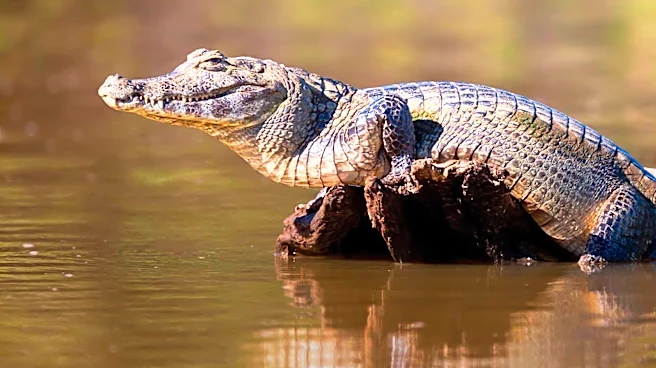
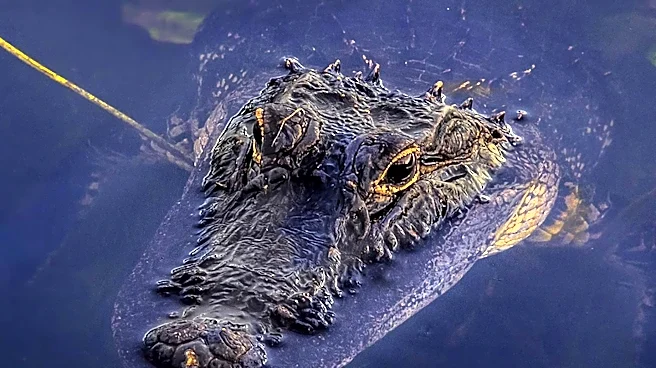
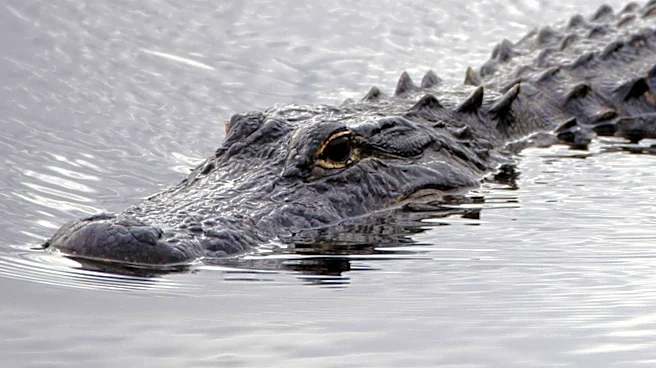
Israel has suspended plans to construct a prison surrounded by a crocodile-filled moat, known as 'Alligator Alcatraz,' following significant backlash from animal rights groups. The proposal, initiated by national security minister Itamar Ben-Gvir, aimed
to use Nile crocodiles to guard Ketziot Prison in the Negev desert. The plan progressed to the extent of beginning moat construction but faced condemnation from international human rights organizations, which labeled the idea as 'vicious' and 'nonsensical.' An Israeli animal rights organization successfully petitioned for a temporary injunction, halting the transfer of crocodiles to the prison. This development highlights the ongoing debate over ethical treatment of animals in security measures.
Why It's Important?
The suspension of the 'Alligator Alcatraz' plan underscores the influence of animal rights advocacy on public policy, particularly in contexts involving security and incarceration. The proposal's halt reflects growing global sensitivity towards animal welfare and the ethical implications of using animals in potentially harmful roles. This case may set a precedent for future security measures, prompting governments to consider alternative, humane solutions. Additionally, the international attention drawn by the plan highlights the interconnectedness of human rights and animal welfare issues, potentially influencing policy decisions beyond Israel's borders.