



What's Happening?
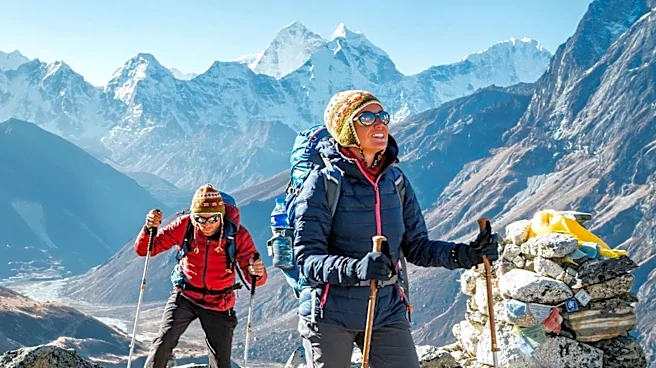
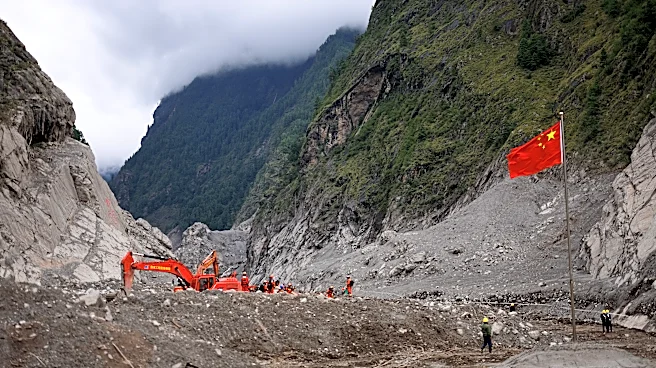
Dozens of Israeli hikers are currently stranded in the village of Samagaun in Nepal's Manaslu region of the Himalayas. Severe weather conditions, including heavy rains, have triggered rockslides, blocked roads, and damaged bridges, making evacuation difficult.
The hikers are expressing growing concern as rescue efforts are hampered by the worsening weather. One Israeli woman reported landslides occurring every few hours, directly above their location, and emphasized the urgent need for evacuation before a potential disaster. Another hiker stated that there is no electricity and that their lives were miraculously saved from recent rockslides. They are unable to move forward or backward due to collapsed bridges and blocked roads, highlighting a significant danger to life if conditions further deteriorate. The hikers have contacted their insurance companies, but have been informed that not everyone can be evacuated at this stage. They are pleading for accelerated rescue efforts, stressing that action should not wait until casualties occur.
Why It's Important?
This situation underscores the inherent risks associated with adventure tourism in remote, geologically unstable regions, particularly in the face of unpredictable weather patterns exacerbated by climate change. For the U.S., while directly involving Israeli citizens, it highlights the broader challenges faced by international travelers and the responsibilities of their home countries and insurance providers in crisis situations abroad. The incident also brings attention to the operational complexities of international rescue missions, which often depend on local infrastructure and weather conditions. The pleas from the stranded hikers for immediate action reflect a critical need for robust emergency response protocols and clear communication channels between travelers, insurance companies, and governmental bodies. The potential for casualties in such events can lead to diplomatic and humanitarian concerns, influencing travel advisories and international cooperation in disaster relief.
What's Next?
Rescue efforts are expected to continue, contingent on weather conditions. PassportCard, an insurance company, is assisting dozens of Israeli travelers in several affected areas, including Samagaun. They have identified 40 policyholders in various regions of Nepal, with four requiring medical attention, though none are currently in life-threatening condition. Magnus Search and Rescue is also actively working to evacuate all Israelis, prioritizing based on urgency and condition. While weather complications persist, a recent window of opportunity allowed for the commencement of evacuations, which will continue until everyone is safe. Local authorities had previously issued warnings about flooding risks and advised travelers to move to safer areas. The weather is anticipated to gradually weaken, but restoring normal travel in the affected regions could take several days. Insurance companies will maintain round-the-clock availability to assist travelers and their families until the emergency subsides and normal travel resumes.
Beyond the Headlines
The incident in Nepal highlights the increasing vulnerability of popular trekking destinations to extreme weather events, a trend that could be linked to global climate change. This raises ethical questions for the tourism industry regarding the safety of travelers in high-risk areas and the adequacy of preparedness measures. The reliance on insurance companies for rescue operations also brings to light the financial and logistical burdens placed on private entities in international crises, potentially leading to higher premiums or more restrictive policies for adventure travel. Culturally, such events can foster a sense of global community and cooperation, as various nations and organizations work together to ensure the safety of their citizens abroad. However, it also exposes potential disparities in rescue capabilities and resources, prompting discussions about international standards for traveler safety and emergency response in remote locations.