





What's Happening?
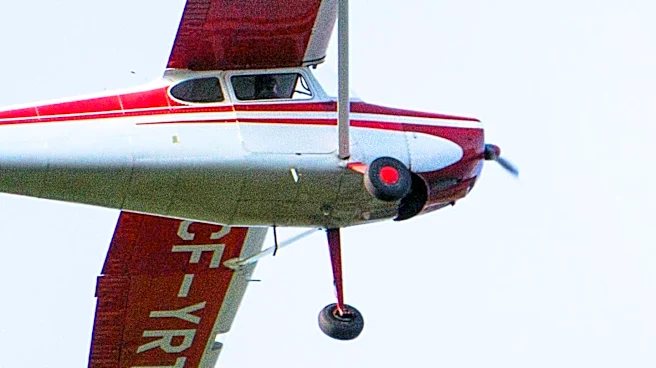
A small plane carrying four individuals crashed near a Fresno airport on Saturday afternoon, resulting in the deaths of two children and critically injuring two adults. The incident occurred near the San Joaquin River just before 2 p.m., prompting an immediate
response from emergency services. Authorities, including the Fresno County Sheriff's Office, Fresno police, and Fresno Fire Department, arrived at the scene to find plane wreckage on a bluff and flames spreading across a nearby hillside. The two injured adults were transported to a hospital in critical condition. The identities and exact ages of the victims have not yet been released. The Federal Aviation Administration (FAA) and the National Transportation Safety Board (NTSB) have launched an investigation into the cause of the crash, with the NTSB leading the efforts to determine what led to the plane going down. A secured perimeter has been established around the crash site to facilitate the investigation. The crash also caused power outages for nearby residents, though service was later restored by PG&E.
Why It's Important?
This tragic plane crash highlights the inherent risks associated with general aviation and the critical importance of aviation safety regulations and investigations. The involvement of both the FAA and NTSB underscores the seriousness of the incident and the commitment to thoroughly understanding its cause to prevent future occurrences. For the Fresno community, the event is a profound tragedy, particularly with the loss of young lives and the critical injuries sustained by adults. Such incidents often lead to increased scrutiny of local air traffic control procedures, aircraft maintenance protocols, and pilot qualifications. The temporary power outage also demonstrates the broader impact of such accidents on local infrastructure and daily life, even for those not directly involved in the crash. The ongoing investigation will be crucial for providing answers to the victims' families and for informing potential safety improvements within the aviation sector.
What's Next?
The immediate next steps involve the ongoing investigation by the NTSB, which will lead the effort to determine the cause of the crash. This process typically includes examining the aircraft wreckage, reviewing air traffic control communications, analyzing flight data recorders if available, and interviewing witnesses and maintenance personnel. The FAA will also contribute its expertise to the investigation. As the investigation progresses, more details regarding the aircraft's condition, the pilot's experience, and any contributing environmental factors may emerge. The identities of the victims are expected to be released once next of kin have been notified. The community will likely rally to support the families affected by this tragedy. Depending on the findings, the NTSB may issue safety recommendations aimed at preventing similar incidents in the future, which could influence aviation policies and practices.
Beyond the Headlines
Beyond the immediate tragedy, this incident may prompt a broader discussion about general aviation safety in the region and nationally. While commercial aviation has an excellent safety record, general aviation accidents, though less frequent, can be devastating. The investigation's findings could shed light on systemic issues, such as the adequacy of maintenance checks for privately owned aircraft, the effectiveness of pilot training and recurrent certification, or potential air traffic control challenges in the vicinity of smaller airports. The emotional toll on first responders, who often deal with such traumatic scenes, is also a significant, though often overlooked, aspect. Furthermore, the incident could lead to increased public awareness and potentially calls for enhanced safety measures or stricter oversight for private aircraft operations, balancing safety concerns with the freedom of private flight.