






What's Happening?
A recent study highlights the alarming decline in vegetable diversity worldwide, which poses a significant threat to global nutrition and food security. The research, published in the Proceedings of the National Academy of Sciences, emphasizes the need
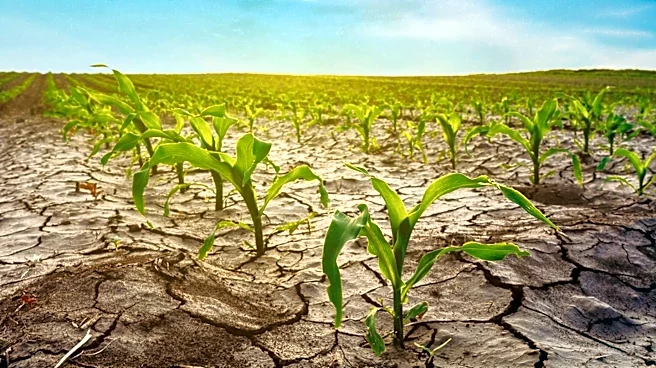
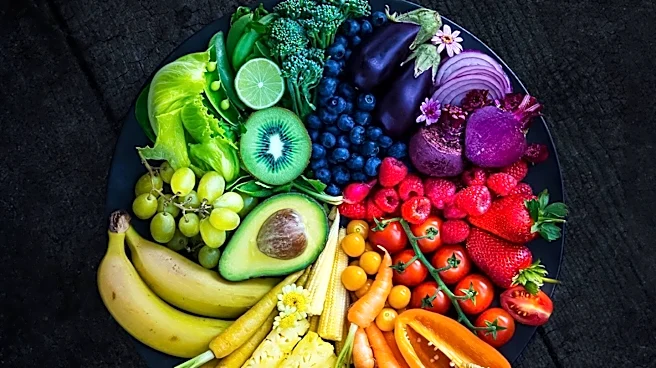
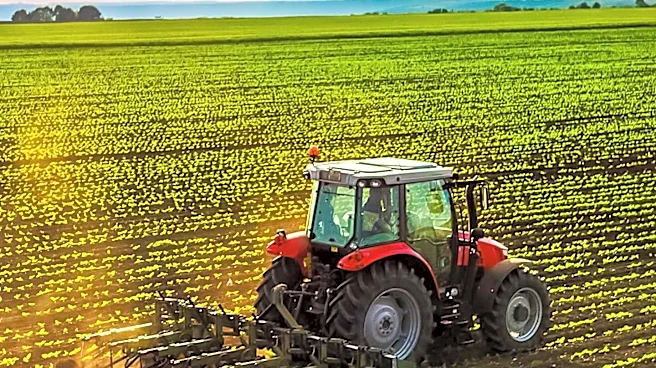
to embrace vegetable biodiversity to improve health and environmental sustainability. The study reveals that most people consume significantly fewer vegetables than recommended, contributing to the global burden of disease. The loss of vegetable diversity is attributed to industrialized agriculture practices that favor a limited number of crops, leading to the neglect of nutrient-rich traditional and wild vegetable varieties. The researchers advocate for the conservation and utilization of these diverse vegetable species to enhance dietary diversity and resilience to climate change.
Why It's Important?
The decline in vegetable diversity has far-reaching implications for public health and agricultural sustainability. A diverse diet rich in various vegetables is essential for providing the necessary vitamins and minerals to prevent malnutrition and related health issues. The loss of genetic diversity in vegetables also reduces the ability to adapt crops to changing climate conditions, threatening food security. By conserving and promoting the cultivation of traditional and wild vegetable varieties, communities can improve their resilience to environmental changes and enhance their nutritional intake. This approach supports sustainable agriculture and contributes to global efforts to combat climate change and food insecurity.